The Truth About Oregano Oil and Antibiotic Resistance: Exploring Its Benefits and Limitations
Discover the benefits of oregano oil in fighting antibiotic resistance and its potential as a natural remedy for various health issues.
Antibiotic resistance is a growing public health crisis that occurs when bacteria evolve and develop the ability to defeat the drugs designed to kill them. This phenomenon not only complicates treatment options for common infections but also poses a significant threat to medical procedures that rely on effective antibiotics, such as surgeries and chemotherapy. As a result, what was once a straightforward battle against bacterial infections has transformed into a complex challenge, necessitating a deeper understanding of the underlying causes and implications of antibiotic resistance. The primary drivers of antibiotic resistance include the overuse and misuse of antibiotics in both human medicine and agriculture. When antibiotics are prescribed unnecessarily or when patients do not complete their prescribed courses, bacteria can adapt and survive, leading to resistant strains.
Additionally, the use of antibiotics in livestock to promote growth and prevent disease contributes to the spread of resistant bacteria into the food supply and the environment. This cycle of resistance not only endangers individual health but also threatens public health on a global scale. The impact of antibiotic resistance is profound. Infections that were once easily treatable can become life-threatening, leading to longer hospital stays, higher medical costs, and increased mortality rates. According to the Centers for Disease Control and Prevention (CDC), at least 2.8 million people in the United States are infected with antibiotic-resistant bacteria each year, resulting in over 35,000 deaths.
This alarming statistic underscores the urgent need for alternative treatments and preventive measures, such as exploring natural remedies like oregano oil, which may offer promising benefits in combating resistant strains.
What is Oregano Oil?
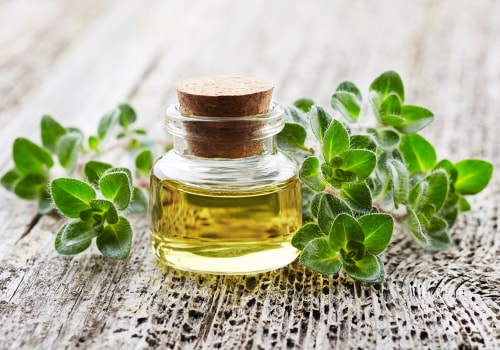
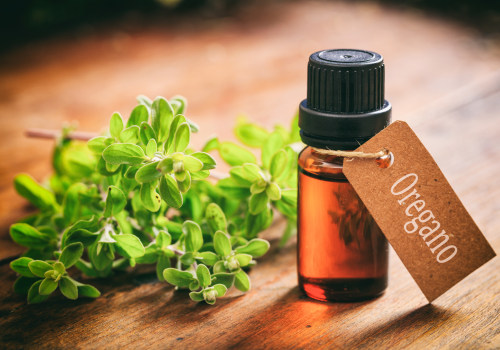
Oregano oil is a potent essential oil derived from the leaves of the oregano plant, scientifically known as Origanum vulgare. This aromatic herb is native to Europe, but it has also been cultivated in various regions around the world, including North America and parts of Asia. The oil is celebrated not only for its culinary uses but also for its numerous health benefits, making it a popular choice in both traditional and modern medicine. The extraction of oregano oil typically involves two primary methods: steam distillation and cold pressing. In steam distillation, steam is passed through the plant material, causing the essential oils to evaporate.The vapor is then cooled and condensed back into liquid form, separating the oil from water. This method preserves the integrity of the oil's chemical compounds, ensuring that its therapeutic properties remain intact. Cold pressing, on the other hand, involves mechanically pressing the leaves to release their oils without the application of heat. While less common for oregano oil, this method can also yield high-quality essential oils. One of the key aspects that contribute to the effectiveness of oregano oil is its unique chemical composition.
The oil contains a variety of active compounds, including:
- Carvacrol: This phenolic compound is known for its strong antibacterial properties and is often credited with many of oregano oil's health benefits.
- Thymol: Another phenol, thymol has antifungal and antiseptic qualities that enhance the oil's overall efficacy.
- Terpenes: These compounds contribute to the oil's aroma and have been shown to possess anti-inflammatory and antioxidant properties.
- Rosmarinic acid: Known for its anti-inflammatory effects, this compound may help reduce symptoms associated with allergies and respiratory conditions.
The Benefits of Oregano Oil
Oregano oil, derived from the leaves of the oregano plant, is renowned for its numerous health benefits. This essential oil is packed with potent compounds that contribute to its effectiveness as a natural remedy. Below, we explore some of the most significant benefits of oregano oil .Antibacterial Properties
One of the most compelling reasons to consider oregano oil is its strong antibacterial properties.Research has shown that oregano oil can combat various strains of bacteria, including those that are resistant to conventional antibiotics. The active compounds in oregano oil, such as carvacrol and thymol, have been found to disrupt bacterial cell membranes, leading to cell death. This makes oregano oil a potential alternative for treating infections, particularly in cases where antibiotic resistance is a concern.
Antioxidant Effects
Oregano oil is also rich in antioxidants, which play a crucial role in protecting the body from oxidative stress. Oxidative stress occurs when there is an imbalance between free radicals and antioxidants in the body, leading to cellular damage and contributing to various chronic diseases.The antioxidants in oregano oil help neutralize free radicals, potentially reducing the risk of conditions such as heart disease and cancer.
Anti-Inflammatory Benefits
In addition to its antibacterial and antioxidant properties, oregano oil exhibits anti-inflammatory effects. Chronic inflammation is linked to numerous health issues, including arthritis and cardiovascular diseases. By incorporating oregano oil into your wellness routine, you may help mitigate inflammation and promote overall health.Potential Uses in Treating Conditions
The versatility of oregano oil extends to its potential uses in treating various conditions:- Respiratory Issues: Oregano oil may help alleviate symptoms of respiratory infections due to its antimicrobial properties.
- Digestive Health: It can support digestive health by promoting gut flora balance and alleviating symptoms of bloating and gas.
- Skin Conditions: Oregano oil can be applied topically to help treat minor cuts, scrapes, and skin irritations due to its antiseptic qualities.
Oregano Oil vs.
Traditional Antibiotics As the world grapples with the growing issue of antibiotic resistance, the search for effective alternatives has intensified. One such alternative that has garnered attention is oregano oil, known for its potent antibacterial properties. This section delves into how oregano oil compares to traditional antibiotics, examining its effectiveness and potential role in addressing antibiotic-resistant bacteria. Traditional antibiotics, such as penicillin and amoxicillin, have been the cornerstone of bacterial infection treatment for decades. However, the rise of antibiotic-resistant strains of bacteria poses a significant challenge to these conventional treatments.
In contrast, oregano oil has emerged as a promising natural remedy due to its unique composition, which includes compounds like carvacrol and thymol. These compounds are recognized for their ability to disrupt bacterial cell membranes, leading to cell death. Several studies have highlighted the effectiveness of oregano oil against various bacterial strains, including those resistant to standard antibiotics. For instance, research published in the Journal of Medicinal Food demonstrated that oregano oil exhibited significant antibacterial activity against Staphylococcus aureus, a common pathogen known for its resistance to multiple antibiotics. The study found that oregano oil was able to inhibit the growth of this bacterium at concentrations comparable to those of traditional antibiotics. Moreover, a comparative analysis conducted by researchers at the University of Messina revealed that oregano oil not only matched but sometimes exceeded the antibacterial effects of conventional antibiotics in laboratory settings.
The fractional inhibitory concentration (FIC) index indicated that when combined with certain antibiotics, oregano oil enhanced their effectiveness, suggesting a synergistic effect that could be harnessed in clinical applications. Despite these promising findings, it is essential to approach the use of oregano oil with caution. While it shows potential as a natural antibiotic, it should not be viewed as a complete replacement for traditional treatments. Instead, oregano oil can serve as a complementary therapy, particularly in cases where antibiotic resistance is a concern. In conclusion, while traditional antibiotics remain vital in treating bacterial infections, oregano oil presents an intriguing alternative worth exploring further. Its natural antibacterial properties and potential role in combating resistant strains make it a valuable addition to our arsenal against infections.
As always, individuals should consult healthcare professionals before incorporating any new treatment into their regimen.
Research on Oregano Oil and Antibiotic Resistance
Recent research has increasingly focused on the potential of oregano oil as a natural alternative to combat antibiotic-resistant bacteria. Numerous studies have demonstrated its efficacy against various strains that have developed resistance to conventional antibiotics, raising interest in its application in both clinical and home settings. One significant study published in the Journal of Medicinal Food examined the antibacterial properties of oregano oil against several antibiotic-resistant strains, including Staphylococcus aureus and Escherichia coli. The findings revealed that oregano oil exhibited a remarkable ability to inhibit the growth of these pathogens, even at low concentrations. This suggests that oregano oil could serve as a complementary treatment alongside traditional antibiotics, potentially enhancing their effectiveness. Another pivotal piece of research conducted by scientists at the University of Messina explored the synergistic effects of oregano oil when combined with standard antibiotics.The study found that when used together, oregano oil significantly reduced the minimum inhibitory concentration (MIC) required for antibiotics to be effective. This synergy indicates that oregano oil may help restore the efficacy of antibiotics that have become less effective due to resistance. Furthermore, a systematic review published in Frontiers in Microbiology compiled data from various studies assessing the antimicrobial activity of essential oils, including oregano. The review concluded that oregano oil consistently demonstrated strong antibacterial properties, particularly against resistant strains. This reinforces the notion that essential oils could play a crucial role in addressing the growing concern of antibiotic resistance. Despite these promising findings, it is essential to approach the use of oregano oil with caution.
While it shows potential as an adjunct therapy, more extensive clinical trials are necessary to fully understand its mechanisms and long-term effects on human health. Researchers are currently investigating optimal dosages and delivery methods to maximize its benefits while minimizing any potential side effects. In summary, ongoing research into oregano oil highlights its potential as a powerful ally in the fight against antibiotic-resistant bacteria. As studies continue to emerge, they pave the way for innovative treatments that could complement existing medical practices and provide new hope in combating infections that are increasingly difficult to treat.
How to Use Oregano Oil Safely
Using oregano oil can offer numerous health benefits, but it is crucial to approach its use with caution to ensure safety and effectiveness. Here are some practical guidelines on how to use oregano oil safely:Recommended Dosages
The appropriate dosage of oregano oil can vary based on the form in which it is taken—whether as an essential oil, capsule, or tincture.Here are some general recommendations:
- Essential Oil: When using oregano essential oil, it is important to dilute it before topical application. A common dilution ratio is 1-2 drops of oregano oil mixed with a carrier oil, such as coconut or olive oil.
- Capsules: If you prefer taking oregano oil in capsule form, a typical dosage ranges from 100 to 200 mg, taken one to two times daily. Always follow the manufacturer's instructions or consult a healthcare professional for personalized advice.
- Tinctures: For tinctures, a common dosage is 10-15 drops diluted in water or juice, taken up to three times a day.
Methods of Application
Oregano oil can be used in various ways depending on your needs:- Topical Use: For skin issues or minor cuts, apply the diluted oregano oil directly to the affected area. This can help prevent infection and promote healing.
- Aromatherapy: To benefit from its antimicrobial properties and pleasant aroma, add a few drops of oregano oil to a diffuser.
This method can also help purify the air in your home.
- Ingestion: If you choose to ingest oregano oil, ensure that it is food-grade and follow the recommended dosages. Mixing it with food or beverages can help mask its strong flavor.
Safety Precautions
While oregano oil is generally safe for most people when used appropriately, there are some precautions to consider:- Allergies: If you have allergies to plants in the Lamiaceae family (such as mint, basil, or sage), you should avoid using oregano oil.
- Pregnancy and Breastfeeding: Pregnant or breastfeeding women should consult their healthcare provider before using oregano oil due to limited research on its safety in these populations.
- Interactions with Medications: Oregano oil may interact with certain medications, including blood thinners and diabetes medications. Always discuss with your doctor if you are taking other medications.
Potential Side Effects and Precautions
While oregano oil is celebrated for its numerous health benefits, it is essential to be aware of potential side effects and precautions associated with its use. Understanding these aspects can help ensure safe and effective application.Possible Side Effects
- Skin Irritation: When applied topically, oregano oil can cause skin irritation or allergic reactions in some individuals.
It is advisable to perform a patch test by applying a small amount of diluted oil to a discreet area of skin before widespread use.
- Gastrointestinal Issues: Ingesting oregano oil may lead to digestive discomfort, including nausea, vomiting, or diarrhea. It is crucial to follow recommended dosages and consult a healthcare professional if you experience any adverse effects.
- Hormonal Effects: Oregano oil may have hormonal effects due to its phytoestrogen content. This could potentially interfere with hormonal balance, particularly in pregnant or breastfeeding women.
- Blood Thinning: Oregano oil has natural anticoagulant properties, which may increase the risk of bleeding when taken with blood-thinning medications. Individuals on such medications should consult their doctor before using oregano oil.
Precautions with Oregano Oil
- Consultation with Healthcare Providers: Before starting any new supplement, including oregano oil, it is vital to discuss it with your healthcare provider, especially if you have pre-existing health conditions or are taking other medications.
- Avoiding Overuse: Excessive use of oregano oil can lead to toxicity.
Stick to recommended dosages and avoid using it as a substitute for prescribed medications without professional guidance.
- Pregnancy and Breastfeeding: Pregnant and breastfeeding women should exercise caution when using oregano oil due to insufficient research on its safety in these populations. Always consult a healthcare professional before use.
Contraindications for Oregano Oil
- Allergies: Individuals with known allergies to plants in the Lamiaceae family (such as mint, basil, or sage) should avoid oregano oil to prevent allergic reactions.
- Surgery: Due to its blood-thinning properties, it is advisable to discontinue the use of oregano oil at least two weeks before any scheduled surgery.
FAQs About Oregano Oil and Antibiotic Resistance
As interest in natural remedies grows, many people have questions about the use of oregano oil, particularly in relation to antibiotic resistance. Below are some frequently asked questions that can help clarify its benefits and limitations.What is oregano oil?
Oregano oil is an essential oil derived from the leaves of the oregano plant, Origanum vulgare.It is known for its potent antimicrobial properties, which are attributed to its active compounds, such as carvacrol and thymol. These compounds have been shown to exhibit antibacterial effects against various pathogens.
Can oregano oil help with antibiotic resistance?
Research suggests that oregano oil may be effective against certain strains of bacteria that have developed resistance to conventional antibiotics. In laboratory studies, oregano oil has demonstrated the ability to inhibit the growth of antibiotic-resistant bacteria, making it a potential alternative or complementary treatment. However, it is crucial to note that while oregano oil shows promise, it should not replace prescribed antibiotics without consulting a healthcare professional.How should oregano oil be used?
- Topical application: Oregano oil can be diluted with a carrier oil and applied to the skin to help prevent infections in minor cuts and scrapes.
- Inhalation: Some people use oregano oil in diffusers or steam inhalation for respiratory issues.
- Oral consumption: Oregano oil capsules are available for those who prefer not to use the liquid form.
Always consult a doctor before starting any new supplement.
Are there any side effects of using oregano oil?
While oregano oil is generally considered safe for most people when used appropriately, it can cause side effects in some cases. These may include:- Skin irritation when applied topically without dilution.
- Gastrointestinal upset if taken in excessive amounts.
- Allergic reactions in sensitive individuals.
Is oregano oil safe for pregnant or breastfeeding women?
The safety of oregano oil during pregnancy and breastfeeding has not been conclusively established. Some studies suggest that high doses may not be safe, so it is advisable for pregnant or nursing women to consult their healthcare provider before using oregano oil. In summary, while oregano oil offers several potential benefits, particularly in combating antibiotic-resistant bacteria, it is essential to approach its use with caution and under medical guidance.Conclusion: The Role of Oregano Oil in Modern Medicine
As we navigate the complexities of modern medicine, the emergence of antibiotic resistance presents a significant challenge. The increasing ineffectiveness of conventional antibiotics against certain bacterial strains has prompted both healthcare professionals and patients to seek alternative solutions.In this context, oregano oil has emerged as a promising candidate due to its potent antibacterial properties. Throughout this article, we have explored the multifaceted benefits of oregano oil, particularly its ability to combat bacteria that have developed resistance to traditional antibiotics. Research indicates that oregano oil contains compounds such as carvacrol and thymol, which exhibit strong antimicrobial activity. These compounds not only inhibit the growth of harmful bacteria but also show potential in enhancing the efficacy of existing antibiotics when used in combination. Moreover, oregano oil's versatility extends beyond its antibacterial properties. It has been recognized for its anti-inflammatory and antioxidant effects, making it a valuable addition to holistic health practices.
For individuals seeking natural remedies for conditions like acne or minor skin infections, oregano oil can serve as a safe topical treatment option. However, it is crucial to approach the use of oregano oil with caution. While it offers numerous benefits, it should not be viewed as a complete replacement for prescribed medical treatments. Consulting with healthcare providers before incorporating oregano oil into one’s regimen is essential, especially for pregnant or breastfeeding women. In conclusion, while oregano oil presents a compelling alternative in the fight against antibiotic resistance, further research is necessary to fully understand its potential applications and limitations. As we continue to seek effective solutions in modern medicine, oregano oil stands out as a natural ally worth considering in our health toolkit.