The Healing Power of Oregano Oil: Exploring Its Benefits as a Natural Antibiotic
Discover the healing power of oregano oil as a natural antibiotic. Explore its benefits, uses, and safety tips for optimal health.

Oregano oil, derived from the leaves of the oregano plant (Origanum vulgare), has been a staple in traditional medicine for centuries. Its rich history dates back to ancient civilizations, where it was revered not only for its culinary uses but also for its medicinal properties. The Greeks and Romans utilized oregano as a symbol of joy and happiness, often incorporating it into their rituals and remedies. This aromatic herb was believed to possess healing powers, making it a popular choice among herbalists and healers throughout history. In traditional medicine, oregano oil has been employed for its potent antibacterial, antifungal, and antiviral properties.
Ancient cultures recognized its ability to combat various ailments, from respiratory infections to digestive issues. The oil is particularly rich in compounds such as carvacrol and thymol, which are known for their antimicrobial effects. These natural constituents have garnered attention in modern research, highlighting oregano oil's potential as a natural antibiotic that can effectively support the immune system. As we delve deeper into the benefits of oregano oil , it becomes evident that this powerful essential oil is more than just a flavorful addition to dishes. Its historical significance in promoting health and wellness sets the stage for understanding its role in contemporary natural medicine.
With increasing concerns over antibiotic resistance and the side effects of conventional medications, many are turning to oregano oil as a viable alternative. This section will explore the myriad ways in which oregano oil can enhance health and well-being, making it an essential component of any natural remedy toolkit.
What is Oregano Oil?
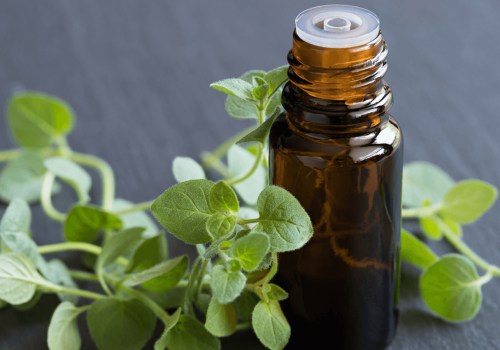
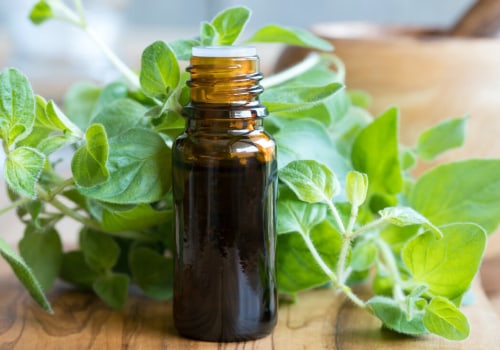
Oregano oil is a potent essential oil derived from the leaves and flowers of the oregano plant, scientifically known as Origanum vulgare. This aromatic herb is native to Europe, but it has also been cultivated in various regions around the world due to its culinary and medicinal uses. The oil is celebrated for its rich flavor and numerous health benefits, making it a staple in both kitchens and natural medicine cabinets. The composition of oregano oil is what gives it its remarkable properties.It contains a variety of active compounds, with carvacrol and thymol being the most prominent. These compounds are known for their strong antimicrobial and antifungal effects. In addition to these, oregano oil also contains other beneficial components such as beta-caryophyllene , p-cymene , and gamma-terpinene , which contribute to its overall therapeutic profile. Understanding how oregano oil is made can enhance appreciation for its potency. The extraction process typically involves steam distillation, where steam is passed through the plant material to vaporize the essential oils.
This vapor is then cooled and condensed back into liquid form, separating the oil from water. The quality of oregano oil can vary significantly based on factors such as the plant's growing conditions, the time of harvest, and the extraction method used. Some manufacturers may also use cold-press extraction or solvent extraction methods, but steam distillation remains the most common and effective technique for preserving the oil's beneficial properties. When purchasing oregano oil, it’s essential to look for high-quality products that specify they are 100% pure and organic to ensure you are getting the full spectrum of oregano oil benefits. In summary, oregano oil is not just a flavorful addition to dishes; it is a powerful natural remedy with a complex composition that supports its medicinal properties. By understanding what oregano oil is, its key components, and how it is extracted, individuals can make informed choices about incorporating this remarkable oil into their health regimen.
The Antibacterial Properties of Oregano Oil
Oregano oil has garnered significant attention for its remarkable antibacterial properties , making it a valuable natural remedy in the fight against various bacterial infections.The primary active compound responsible for these effects is carvacrol, a phenolic compound that exhibits potent antimicrobial activity. Research has demonstrated that carvacrol can disrupt the cell membranes of bacteria, leading to cell death. This mechanism of action is particularly effective against a range of harmful bacteria, including:
- Escherichia coli (E. coli) : Known for causing foodborne illnesses, E. coli can lead to severe gastrointestinal issues.
Studies have shown that oregano oil can inhibit its growth.
- Staphylococcus aureus : This bacterium is notorious for causing skin infections and more serious conditions like pneumonia. Oregano oil has been found to be effective in reducing its viability.
- Salmonella : Another common foodborne pathogen, Salmonella can cause severe digestive distress. Oregano oil's antibacterial properties can help combat this bacterium.
- Campylobacter : Often found in contaminated food, Campylobacter is a leading cause of bacterial gastroenteritis. Oregano oil has shown promise in inhibiting its growth.
With the rise of antibiotic resistance, natural alternatives like oregano oil are becoming increasingly important. Carvacrol's unique ability to target and kill bacteria without contributing to resistance development makes it a compelling option for those seeking natural remedies. In addition to carvacrol, oregano oil contains other beneficial compounds such as thymol, which also contributes to its antibacterial effects. Together, these compounds create a synergistic effect that enhances the overall potency of oregano oil against various pathogens. For those considering incorporating oregano oil into their health regimen, it is essential to choose high-quality products that contain a significant concentration of carvacrol. This ensures that you are receiving the maximum antibacterial benefits from this powerful natural remedy.
Oregano Oil vs.
Conventional Antibiotics
In recent years, the conversation surrounding natural antibiotics has gained momentum, particularly with the rise of antibiotic resistance. As more individuals seek alternatives to conventional medications, oregano oil has emerged as a compelling option. This section delves into the comparison between oregano oil and traditional antibiotics, highlighting the numerous benefits of incorporating oregano oil into health regimens.
Understanding Antibiotic Resistance
One of the most pressing issues with conventional antibiotics is the development of antibiotic resistance. Overuse and misuse of these medications have led to bacteria evolving and becoming resistant to treatment.
This phenomenon not only complicates treatment options but also poses significant risks to public health. In contrast, oregano oil has shown promise in combating bacterial infections without contributing to resistance.
Benefits of Oregano Oil Over Conventional Antibiotics
- Natural Composition: Oregano oil is derived from the leaves of the oregano plant, making it a natural remedy with fewer synthetic additives compared to many pharmaceutical antibiotics.
- Broad-Spectrum Antimicrobial Activity: Research indicates that oregano oil possesses potent antimicrobial properties, effective against a wide range of bacteria, viruses, and fungi. This broad-spectrum activity can be beneficial for treating various infections.
- Reduced Side Effects: While conventional antibiotics often come with a host of side effects—including gastrointestinal disturbances and allergic reactions—oregano oil is generally well-tolerated when used appropriately. This makes it an attractive alternative for those who may be sensitive to traditional medications.
- No Resistance Development: Studies have suggested that bacteria do not develop resistance to oregano oil as they do with conventional antibiotics.
This characteristic makes oregano oil a sustainable option for long-term use in managing infections.
- Anti-Inflammatory Properties: Beyond its antibacterial effects, oregano oil also exhibits anti-inflammatory properties, which can aid in reducing inflammation associated with infections and promote overall healing.
Conclusion
The comparison between oregano oil and conventional antibiotics reveals significant advantages for those seeking natural alternatives. With its ability to combat infections effectively while minimizing the risk of resistance and side effects, oregano oil stands out as a valuable addition to any health regimen. As always, it is advisable to consult with a healthcare professional before making any changes to your treatment plan.
Health Benefits of Oregano Oil Beyond Antibacterial Effects
While the antibacterial properties of oregano oil are widely recognized, its health benefits extend far beyond just fighting infections. This remarkable oil is also celebrated for its anti-inflammatory and antioxidant effects, making it a versatile remedy for various health concerns.Anti-Inflammatory Properties
Oregano oil contains several compounds, including carvacrol and thymol, which have been shown to possess potent anti-inflammatory properties.
These compounds can help reduce inflammation in the body, which is a common underlying factor in many chronic diseases. By inhibiting the production of inflammatory markers, oregano oil may assist in alleviating conditions such as:
- Arthritis
- Allergies
- Asthma
- Skin irritations
Antioxidant Effects
Another significant benefit of oregano oil is its high antioxidant content. Antioxidants are essential for neutralizing free radicals in the body, which can cause oxidative stress and lead to cellular damage.
Oregano oil is rich in phenolic compounds that contribute to its antioxidant capacity. Regular use of oregano oil may help:
- Protect against chronic diseases such as heart disease and cancer
- Support healthy aging by reducing oxidative stress
- Enhance overall immune function
As always, consult with a healthcare professional before starting any new supplement to ensure it aligns with your individual health needs.
How to Use Oregano Oil Safely and Effectively
Using oregano oil can be a powerful addition to your health regimen, but it is essential to approach it with care to maximize its benefits while minimizing potential risks. Here are some guidelines on how to use oregano oil safely and effectively.Recommended Dosage of Oregano Oil
The appropriate dosage of oregano oil can vary based on the form in which it is taken and the specific health issue being addressed. Here are some general recommendations:- Oregano Oil Softgels: For those using softgel capsules, a common dosage is 1-2 capsules daily, preferably taken with meals to enhance absorption.
- Liquid Oregano Oil: If using liquid oregano oil, a typical dosage is 1-3 drops diluted in a carrier oil (such as olive oil) or water, taken 1-3 times per day. Always start with the lowest dose to assess tolerance.
- Topical Application: When applying oregano oil topically, it should always be diluted with a carrier oil (like coconut or jojoba oil) at a ratio of 1:3 to prevent skin irritation.
A patch test is advisable before widespread use.
Safety Precautions for Oregano Oil
While oregano oil is generally safe for most people when used appropriately, there are several precautions to consider:- Consult a Healthcare Professional: Before starting any new supplement, including oregano oil, consult with a healthcare provider, especially if you are pregnant, nursing, or have underlying health conditions.
- Avoid Overuse: Excessive use of oregano oil can lead to gastrointestinal upset, including nausea and diarrhea. Stick to recommended dosages.
- Allergic Reactions: Some individuals may experience allergic reactions. Symptoms can include rash, itching, or difficulty breathing. Discontinue use immediately if any adverse reactions occur.
- Drug Interactions: Oregano oil may interact with certain medications, particularly blood thinners and medications that affect blood sugar levels.
Always inform your doctor about any supplements you are taking.
Potential Risks and Side Effects of Oregano Oil
While oregano oil is celebrated for its numerous health benefits, it is essential to be aware of the potential risks and side effects associated with its use. Understanding these factors can help individuals make informed decisions about incorporating this natural remedy into their health regimen. One of the primary concerns regarding oregano oil is its potency. Due to its concentrated nature, oregano oil can cause irritation when applied directly to the skin. It is advisable to dilute oregano oil with a carrier oil, such as coconut or olive oil, before topical application.This dilution helps minimize the risk of skin reactions, such as redness or burning sensations. Ingesting oregano oil can also lead to gastrointestinal discomfort in some individuals. Common side effects may include:
- Nausea
- Vomiting
- Diarrhea
- Stomach upset
If you have a known allergy to these plants, it is best to avoid using oregano oil altogether. Pregnant and breastfeeding women should exercise caution when using oregano oil. While some studies suggest that oregano may have health benefits during pregnancy, there is insufficient evidence regarding its safety. Therefore, it is crucial for expectant or nursing mothers to consult with their healthcare provider before using oregano oil. Additionally, individuals taking anticoagulant medications or those with bleeding disorders should be cautious. Oregano oil may have blood-thinning properties, which could exacerbate bleeding risks when combined with certain medications.
Always discuss with your doctor if you are on medication that affects blood clotting. In summary, while oregano oil offers various health benefits, it is vital to be aware of its side effects and risks. Proper usage, including dilution for topical applications and consulting healthcare professionals when necessary, can help mitigate these risks and ensure safe consumption.
Frequently Asked Questions About Oregano Oil
As the popularity of oregano oil continues to rise, many individuals have questions regarding its uses, benefits, and safety. Below are some of the most frequently asked questions about oregano oil that can help clarify common misconceptions and provide valuable insights.What is oregano oil?
Oregano oil is an essential oil derived from the leaves of the oregano plant, scientifically known as Origanum vulgare. It is rich in compounds such as carvacrol and thymol, which are responsible for its potent antibacterial and antifungal properties.What are the primary uses of oregano oil?
- Antimicrobial properties: Oregano oil is widely recognized for its ability to combat various bacteria, viruses, and fungi.
- Digestive health: It can help alleviate digestive issues such as bloating and gas by promoting healthy gut flora.
- Respiratory support: Oregano oil may assist in relieving symptoms of respiratory infections due to its anti-inflammatory effects.
- Skin care: When diluted properly, it can be used topically to treat minor cuts, scrapes, and skin irritations.
Is oregano oil safe for everyone?
While oregano oil is generally safe for most people when used appropriately, it is important to consult with a healthcare professional before starting any new supplement, especially for pregnant or nursing women, children, or individuals with underlying health conditions.Additionally, it should be used in moderation to avoid potential side effects such as gastrointestinal upset.
How should I use oregano oil?
Oregano oil can be taken in several forms:- Softgels: These are convenient for internal use and provide a measured dose.
- Tinctures: Liquid extracts can be added to water or taken directly.
- Topical application: Always dilute oregano oil with a carrier oil (like coconut or olive oil) before applying it to the skin.
Can oregano oil interact with medications?
Yes, oregano oil may interact with certain medications, particularly blood thinners and medications that affect blood sugar levels. It is crucial to discuss any potential interactions with your healthcare provider before using oregano oil alongside other treatments. This section aims to address some of the most common inquiries regarding oregano oil. For personalized advice or specific health concerns, always consult a qualified healthcare professional.Conclusion: Embracing Oregano Oil as a Natural Remedy
In summary, the exploration of oregano oil benefits reveals a powerful natural remedy that has stood the test of time. With its rich history in traditional medicine, oregano oil is gaining recognition in modern health practices for its remarkable antibacterial, antiviral, and antifungal properties.As we have discussed, the primary active compound, carvacrol, plays a crucial role in its effectiveness against various pathogens, making it a compelling alternative to conventional antibiotics. Moreover, oregano oil's ability to combat infections extends beyond just bacterial threats. Research indicates its potential efficacy against respiratory infections, urinary tract infections, and even dental issues. This versatility positions oregano oil as a valuable asset in our health toolkit. However, it is essential to approach the use of oregano oil with caution. While it offers numerous health benefits, it can also disrupt the balance of good bacteria in our bodies if used excessively.
Therefore, moderation is key. Consulting with a healthcare professional before incorporating oregano oil into your regimen is advisable to ensure safe and effective use. For those interested in harnessing the power of this natural antibiotic, various forms are available. Oregano oil softgels provide a convenient way to reap its benefits internally, while liquid tinctures can be applied topically or added to foods and beverages for an extra health boost. As we embrace the potential of oregano oil as a natural remedy, it is vital to choose high-quality products from reputable brands. This ensures that you receive the maximum benefits without compromising safety.
In conclusion, oregano oil stands out as a promising alternative for those seeking natural solutions to enhance their health and well-being.