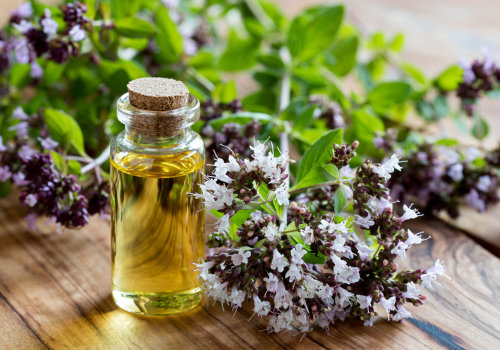
The Healing Power of Oregano Oil: A Natural Alternative to Antibiotics
Discover the healing power of oregano oil as a natural alternative to antibiotics, exploring its antibacterial, antifungal, and anti-inflammatory benefits.

In recent years, the quest for natural remedies has gained significant traction, with many individuals seeking alternatives to conventional medications. Among these remedies, oregano oil has emerged as a powerful contender, celebrated not only for its culinary uses but also for its remarkable health benefits. Extracted from the leaves of the oregano plant, this essential oil is rich in potent compounds that have been shown to possess various therapeutic properties. As more people turn to nature for solutions, understanding the benefits of oregano oil becomes increasingly important. One of the most compelling aspects of oregano oil is its potential as a natural antibiotic.
Unlike traditional antibiotics that can disrupt the balance of gut flora and lead to antibiotic resistance, oregano oil offers a more holistic approach to combating bacterial infections. Its primary active ingredient, carvacrol, has been extensively studied for its antimicrobial properties, demonstrating effectiveness against a range of harmful bacteria. This makes oregano oil not just a flavorful addition to meals but also a formidable ally in maintaining health. Furthermore, the versatility of oregano oil extends beyond its antibacterial capabilities. It is also recognized for its anti-inflammatory, antifungal, and antioxidant properties.
These attributes contribute to overall wellness by supporting the immune system and promoting digestive health. As we delve deeper into the myriad benefits of oregano oil throughout this article, it becomes clear that this essential oil is more than just a kitchen staple; it is a potent natural remedy that can enhance our health in various ways.
What is Oregano Oil?
Oregano oil is derived from the leaves and flowers of the oregano plant, scientifically known as Origanum vulgare. This aromatic herb is native to Europe, but it has since spread to various regions around the world, including North America and parts of Asia. The oil is celebrated not only for its culinary uses but also for its remarkable health benefits, making it a popular choice among natural remedy enthusiasts. The extraction of oregano oil typically involves a process called steam distillation.In this method, steam is passed through the plant material, causing the essential oils to evaporate. The steam and oil vapor are then cooled, allowing the oil to separate from the water. This process ensures that the delicate compounds within the oregano are preserved, resulting in a potent oil that retains its therapeutic properties. One of the key aspects that contribute to the health benefits of oregano oil is its rich composition of bioactive compounds. The primary constituents include:
-
Carvacrol: This phenolic compound is known for its strong antibacterial and antifungal properties.
Research has shown that carvacrol can effectively combat various strains of bacteria and fungi.
- Thymol: Another powerful phenol, thymol possesses antiseptic qualities and has been used in various medicinal applications. It also contributes to the oil's distinctive aroma.
- P-cymene: This compound has anti-inflammatory properties and may help in reducing oxidative stress in the body.
- α-Terpinenene: Known for its antioxidant effects, this compound can help protect cells from damage caused by free radicals.
- α-Pinene: This terpene is recognized for its potential anti-inflammatory and bronchodilator effects, which may aid respiratory health.
The Health Benefits of Oregano Oil
Oregano oil is not just a culinary delight; it is also a powerhouse of health benefits that have been recognized for centuries. Its therapeutic properties stem primarily from its rich composition of active compounds, particularly carvacrol and thymol , which contribute to its remarkable antibacterial, antifungal, and anti-inflammatory effects.Antibacterial Properties
- Research has shown that oregano oil exhibits potent antibacterial activity against a variety of pathogens, including Escherichia coli and Pseudomonas aeruginosa.
These bacteria are often responsible for foodborne illnesses and chronic infections.
- The mechanism behind this antibacterial effect lies in the ability of carvacrol to disrupt the bacterial cell membrane, leading to cell death. This makes oregano oil a promising natural alternative to conventional antibiotics, especially in an era where antibiotic resistance is a growing concern.
- In addition to its direct antibacterial action, oregano oil can also inhibit the formation of bacterial biofilms, which are clusters of bacteria that adhere to surfaces and are notoriously difficult to eradicate. This property is particularly beneficial in treating chronic infections.
Antifungal Properties
- Oregano oil is equally effective against fungal infections, particularly those caused by Candida albicans, a common yeast responsible for various infections in humans. Studies indicate that oregano oil can inhibit the growth of this fungus, making it a valuable ally in maintaining gut health.
- The antifungal properties of oregano oil are attributed to its ability to disrupt the cell membranes of fungi, leading to their destruction.
This makes it an excellent option for those seeking natural remedies for yeast infections.
- Moreover, oregano oil has been found to be effective in treating athlete's foot and other skin fungal infections, providing a natural alternative to over-the-counter antifungal creams.
Anti-inflammatory Effects
- Beyond its antibacterial and antifungal properties, oregano oil also possesses significant anti-inflammatory effects. Chronic inflammation is linked to numerous health issues, including heart disease and autoimmune disorders.
- The compounds in oregano oil can help reduce inflammation by inhibiting the production of inflammatory markers in the body. This makes it beneficial not only for acute conditions but also for long-term health maintenance.
As research continues to uncover the full potential of this remarkable oil, it stands as a testament to nature's ability to provide effective solutions for our health challenges.
Oregano Oil as a Natural Antibiotic
In recent years, the search for natural alternatives to traditional antibiotics has gained momentum, and oregano oil has emerged as a promising contender. This essential oil, derived from the leaves of the oregano plant, is rich in compounds such as carvacrol and thymol, which are known for their potent antibacterial properties. Research indicates that oregano oil can effectively combat a variety of bacterial strains, making it a viable option for those seeking natural remedies. One of the most compelling aspects of oregano oil is its ability to target bacteria that are resistant to conventional antibiotics. Unlike many pharmaceutical antibiotics that can lead to resistance over time, oregano oil works by disrupting the cell membranes of bacteria, ultimately leading to their death.This mechanism not only makes it effective against common pathogens like Escherichia coli and Staphylococcus aureus, but also against more resilient strains that pose significant health risks.
Comparing Oregano Oil and Traditional Antibiotics
When comparing oregano oil to traditional antibiotics, several factors come into play:- Effectiveness: Studies have shown that oregano oil can be as effective as some antibiotics in inhibiting bacterial growth. For instance, research has demonstrated its efficacy against Pseudomonas aeruginosa, a common cause of infections in immunocompromised individuals.
- Side Effects: Unlike many antibiotics that can cause gastrointestinal disturbances and other side effects, oregano oil is generally well-tolerated when used appropriately. However, it should be noted that excessive use can lead to irritation or allergic reactions.
- Resistance Development: The use of oregano oil may help mitigate the issue of antibiotic resistance. Its unique mode of action makes it less likely for bacteria to develop resistance compared to traditional antibiotics.
While it can serve as a natural alternative for minor infections or as a preventive measure, it should not replace professional medical advice or treatment for serious infections. Consulting with a healthcare provider before using oregano oil is advisable, especially for individuals with underlying health conditions or those taking other medications. In conclusion, oregano oil stands out as a natural antibiotic alternative with significant potential in combating bacterial infections. Its effectiveness against resistant strains and lower risk of side effects make it an attractive option for those looking to enhance their health naturally. However, further research is needed to fully understand its capabilities and establish guidelines for safe usage.
How to Use Oregano Oil Safely
Using oregano oil can be a beneficial addition to your health regimen, but it is essential to approach it with caution.Understanding how to use oregano oil safely is crucial to maximizing its benefits while minimizing potential risks.
Recommended Dosage
- For general health support, a typical dosage of oregano oil is 1-2 drops diluted in a carrier oil, such as olive or coconut oil, taken 1-3 times daily.
- For specific health concerns, such as fighting infections, some practitioners recommend up to 5 drops per day, but this should be done under the guidance of a healthcare professional.
- When using oregano oil capsules, follow the manufacturer's instructions or consult with a healthcare provider for appropriate dosing.
Methods of Application
- Topical Use: Always dilute oregano oil with a carrier oil before applying it to the skin. A common ratio is 1 part oregano oil to 3 parts carrier oil. This helps prevent skin irritation.
- Aromatherapy: Add a few drops of oregano oil to a diffuser to enjoy its aromatic benefits and potential antimicrobial properties in the air.
- Ingestion: If you choose to take oregano oil internally, ensure it is food-grade and follow the recommended dosages. Never exceed the advised amount.
Potential Side Effects
While oregano oil is generally safe for most people when used correctly, some may experience side effects, including:
- Gastrointestinal Issues: Some individuals may experience nausea, upset stomach, or diarrhea when taking oregano oil.
-
Allergic Reactions: If you have allergies to plants in the Lamiaceae family (such as mint or basil), you may be at risk for an allergic reaction.
Always perform a patch test before topical application.
- Skin Irritation: Undiluted oregano oil can cause skin irritation or burns. Always dilute before applying topically.
Scientific Research on Oregano Oil
Recent scientific investigations into oregano oil have unveiled a wealth of information supporting its numerous health benefits. One of the most compelling areas of research focuses on its antibacterial properties.A study published in the Journal of Applied Microbiology demonstrated that oregano oil, particularly its active compound carvacrol, exhibited significant antibacterial activity against various strains of bacteria, including Escherichia coli and Staphylococcus aureus. This suggests that oregano oil could serve as a natural alternative to conventional antibiotics, especially in an era where antibiotic resistance is a growing concern. Moreover, a systematic review in the International Journal of Food Microbiology highlighted oregano oil's effectiveness in inhibiting the growth of foodborne pathogens. The review concluded that incorporating oregano oil into food products could enhance food safety and extend shelf life, making it a valuable addition to the food industry. In addition to its antibacterial effects, oregano oil has shown promise in combating fungal infections. A study published in Mycoses found that oregano oil was effective against various strains of fungi, including Candida albicans, which is known for causing yeast infections.
The antifungal properties of oregano oil can be attributed to its ability to disrupt the cell membrane of fungi, leading to cell death. The anti-inflammatory potential of oregano oil has also been a subject of interest. Research published in the Journal of Medicinal Food indicated that carvacrol could reduce inflammation markers in animal models, suggesting its potential use in managing inflammatory conditions such as arthritis. Furthermore, studies have explored the antioxidant properties of oregano oil. A research article in the Food Chemistry journal reported that oregano oil contains high levels of phenolic compounds, which are known for their ability to scavenge free radicals and protect cells from oxidative stress. This antioxidant capacity may contribute to overall health and longevity. In summary, the scientific research surrounding oregano oil underscores its multifaceted health benefits.
From its antibacterial and antifungal properties to its anti-inflammatory and antioxidant effects, oregano oil presents a promising natural alternative for various health applications. As more studies emerge, it is likely that we will continue to uncover additional therapeutic uses for this remarkable essential oil.
Oregano Oil in Traditional Medicine
Oregano oil has a rich history in traditional medicine, utilized by various cultures for its therapeutic properties. This essential oil, derived from the leaves of the oregano plant (Origanum vulgare), has been revered not only for its culinary uses but also for its medicinal benefits. In ancient Greece, oregano was considered a symbol of joy and happiness. It was commonly used by physicians like Hippocrates, who recognized its potential in treating respiratory issues and digestive disorders.The Greeks often infused oregano in oils and applied it topically to alleviate muscle pain and inflammation. Similarly, in traditional Roman medicine, oregano was employed as a remedy for various ailments. Roman soldiers would carry oregano with them to treat wounds and infections, highlighting its antibacterial properties even in ancient times. The oil was also used to flavor food, which helped preserve it and reduce the risk of foodborne illnesses. In the Middle Ages, oregano oil found its place in herbal medicine across Europe. It was believed to ward off evil spirits and protect against diseases.
Herbalists often recommended it for treating colds, coughs, and fevers. The oil's antiseptic qualities made it a popular choice for cleaning wounds and preventing infections. In traditional Chinese medicine, oregano has been used to promote digestive health and relieve symptoms of gastrointestinal distress. Its warming properties are thought to help balance the body's internal systems, making it a valuable herb in holistic practices. Today, the traditional uses of oregano oil continue to be embraced by herbalists and natural health practitioners. It is often recommended for:
- Respiratory health: Oregano oil is believed to help clear mucus and alleviate symptoms of bronchitis and asthma.
- Digestive support: Its carminative properties may aid in reducing bloating and gas.
- Antimicrobial effects: Oregano oil is still recognized for its ability to combat bacteria and fungi.
As modern science continues to explore its benefits, the legacy of this potent oil remains strong across cultures.
FAQs About Oregano Oil Benefits
As the popularity of oregano oil continues to rise, many individuals have questions about its safety, efficacy, and overall benefits. Below are some frequently asked questions that can help clarify common misconceptions and provide valuable insights into the use of oregano oil.What are the primary benefits of oregano oil?
Oregano oil is renowned for its numerous health benefits, primarily due to its active compounds such as carvacrol and thymol. Some of the key benefits include:- Antimicrobial Properties: Oregano oil has been shown to combat various bacteria, fungi, and viruses, making it a potent natural remedy for infections.
- Anti-inflammatory Effects: The oil may help reduce inflammation in the body, which is beneficial for conditions like arthritis and other inflammatory diseases.
- Digestive Health: Oregano oil can support gut health by promoting a balanced microbiome and alleviating digestive issues.
- Antioxidant Activity: Rich in antioxidants, oregano oil helps protect cells from oxidative stress and damage.
Is oregano oil safe for everyone?
While oregano oil is generally considered safe for most people when used appropriately, there are certain groups who should exercise caution:- Pregnant or Nursing Women: It is advisable for pregnant or breastfeeding women to consult a healthcare provider before using oregano oil.
- Individuals with Allergies: Those with allergies to plants in the Lamiaceae family (such as mint) may experience allergic reactions.
- Children: Oregano oil should be used with caution in children; always consult a pediatrician before use.
How should oregano oil be used?
Oregano oil can be used in various forms, including capsules, liquid extracts, or diluted topical applications. It’s essential to follow dosage recommendations and consider consulting a healthcare professional for personalized advice.Can oregano oil interact with medications?
Yes, oregano oil may interact with certain medications, particularly blood thinners and medications that affect blood sugar levels.Always inform your healthcare provider about any supplements you are taking to avoid potential interactions. In summary, while oregano oil offers a range of health benefits, it is crucial to use it responsibly and consult with a healthcare professional if you have any concerns or pre-existing conditions. This ensures that you can safely enjoy the advantages of this powerful natural remedy.
Conclusion: Embracing Oregano Oil for Health and Wellness
In conclusion, the exploration of oregano oil benefits reveals a compelling case for its use as a natural alternative to traditional antibiotics. This essential oil, derived from the leaves of the oregano plant, is not only celebrated for its culinary applications but also for its remarkable therapeutic properties. The presence of potent compounds such as carvacrol and thymol underscores its effectiveness in combating various bacterial infections, making it a valuable asset in the realm of natural health. Throughout this article, we have highlighted several key points regarding the advantages of incorporating oregano oil into your health regimen:-
Antibacterial Properties: Oregano oil has demonstrated significant antibacterial effects against common pathogens, including E.
coli
and Pseudomonas aeruginosa, suggesting its potential to serve as a natural antibiotic. - Anti-inflammatory Effects: The anti-inflammatory properties of oregano oil can aid in reducing inflammation, which is crucial for overall health and wellness.
- Support for Digestive Health: Oregano oil may promote gut health by combating harmful bacteria and fungi, thus supporting a balanced microbiome.
- Pain Management:Pain Management: Research indicates that oregano oil may possess analgesic properties, offering a natural option for pain relief.
- Biofilm Disruption: Its ability to penetrate and disrupt bacterial biofilms sets oregano oil apart from conventional antibiotics, which often struggle with this challenge.
As more research emerges, we may uncover even greater benefits that this remarkable essential oil has to offer. Whether used in cooking or as part of a holistic health strategy, oregano oil is certainly worth considering for those looking to improve their health naturally.