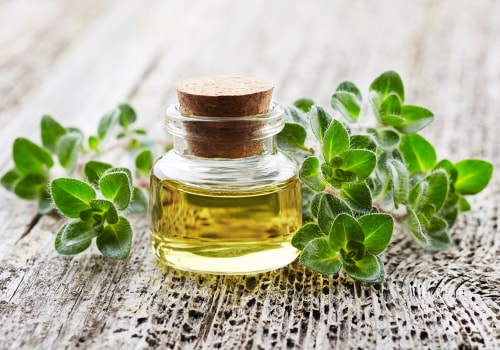
Unlocking the Benefits of Oregano Oil: A Comprehensive Guide to Weight Loss and Infection Treatment
Discover the powerful benefits of oregano oil for weight loss, infections, and overall health. Learn how to use it safely and effectively.

Oregano oil, derived from the leaves of the Origanum vulgare plant, has a rich history that dates back to ancient civilizations. Known for its aromatic properties and culinary uses, this essential oil has transcended its role in the kitchen to become a powerful natural remedy. The oil is extracted through steam distillation, capturing the essence of the herb's potent compounds, which are celebrated for their numerous health benefits. As we delve into the world of oregano oil, it becomes clear that its applications extend far beyond flavoring dishes. Historically, oregano was revered by the Greeks and Romans, who used it not only as a seasoning but also for its medicinal properties.
Ancient healers recognized its potential to treat various ailments, from digestive issues to respiratory infections. Today, modern research supports many of these traditional uses, highlighting the oil's remarkable antimicrobial, anti-inflammatory, and antioxidant properties. This makes oregano oil a versatile addition to any health regimen. The benefits of oregano oil are vast and varied. It is commonly used as a natural remedy for conditions such as colds, flu, and even skin infections.
Additionally, its ability to support weight loss and improve gut health has garnered attention in recent years. As we explore the myriad uses of oregano oil, it is essential to understand how this powerful oil can enhance overall well-being and serve as a valuable tool in natural healing.
The Nutritional Profile of Oregano Oil
Oregano oil is not just a flavorful addition to your culinary repertoire; it is also a powerhouse of nutrients and bioactive compounds that contribute to its numerous health benefits. Understanding the nutritional profile of oregano oil is essential for appreciating its role in natural health. One of the most significant compounds found in oregano oil is carvacrol. This phenolic compound is renowned for its potent antimicrobial properties.Research has shown that carvacrol can effectively combat various strains of bacteria, making it a valuable ally in fighting infections. Additionally, carvacrol has been linked to anti-inflammatory effects, which can help reduce inflammation in the body and support overall health. Another key component of oregano oil is thymol , which also possesses strong antimicrobial and antifungal properties. Thymol has been studied for its ability to inhibit the growth of harmful microorganisms, including fungi and bacteria. This makes oregano oil a popular choice for those looking to enhance their immune system and protect against infections. Beyond carvacrol and thymol, oregano oil contains a variety of other beneficial compounds, including:
- Rosmarinic acid : Known for its antioxidant properties, rosmarinic acid helps neutralize free radicals in the body, potentially reducing oxidative stress and lowering the risk of chronic diseases.
- Beta-caryophyllene : This compound has anti-inflammatory effects and may also play a role in pain relief, making it beneficial for those suffering from chronic pain conditions.
- Limonene : Found in many essential oils, limonene has been associated with mood enhancement and stress relief, contributing to overall mental well-being.
When used appropriately, oregano oil can serve as a natural remedy for various ailments, from digestive issues to respiratory infections. Incorporating oregano oil into your daily routine can be as simple as adding it to your meals or taking it as a supplement. However, it's crucial to use high-quality oregano oil to ensure you receive the maximum benefits from these powerful compounds. Always consult with a healthcare professional before starting any new supplement regimen.
Oregano Oil and Weight Loss: How It Works
Oregano oil has garnered attention in recent years for its potential role in weight loss. The primary compound responsible for this effect is carvacrol , a phenolic compound found in high concentrations in oregano oil.Research suggests that carvacrol may influence weight management through several mechanisms. One of the key ways carvacrol aids in weight loss is by enhancing metabolic rate. A study published in the Journal of Agricultural and Food Chemistry indicated that carvacrol can stimulate thermogenesis, the process by which the body generates heat and burns calories. This increase in metabolic activity can lead to greater energy expenditure, which is essential for weight loss. Additionally, carvacrol has been shown to affect fat cell formation. In laboratory studies, it was observed that carvacrol could inhibit the differentiation of preadipocytes into mature fat cells.
This means that it may help prevent the accumulation of fat in the body, making it a valuable ally in weight management. Moreover, oregano oil may also assist in regulating appetite. Some studies suggest that certain compounds in oregano oil can influence hormones related to hunger and satiety, potentially leading to reduced food intake. By curbing cravings and promoting a feeling of fullness, oregano oil can support individuals on their weight loss journey. For those interested in incorporating oregano oil into their weight loss regimen, there are several methods to consider:
- Supplement Form: Oregano oil is available in capsule or liquid form. When using supplements, it's crucial to follow the recommended dosage on the label or consult with a healthcare professional.
-
Culinary Use: Adding oregano oil to meals can enhance flavor while providing health benefits.
A few drops can be mixed into salad dressings, marinades, or even smoothies.
- Topical Application: For those looking to target specific areas, diluted oregano oil can be applied topically. However, it should always be mixed with a carrier oil to avoid skin irritation.
Antimicrobial Properties of Oregano Oil
Oregano oil is renowned for its remarkable antimicrobial properties , making it a powerful ally in the fight against various infections.This essential oil, derived from the leaves of the oregano plant (Origanum vulgare), contains potent compounds such as carvacrol and thymol, which are primarily responsible for its ability to combat harmful microorganisms. Research has demonstrated that oregano oil exhibits significant activity against a wide range of pathogens, including bacteria, viruses, and fungi. For instance, studies have shown that oregano oil can effectively inhibit the growth of common bacteria such as Escherichia coli and Staphylococcus aureus, both of which are notorious for causing foodborne illnesses and skin infections, respectively.
Bacterial Infections
The antibacterial effects of oregano oil are particularly noteworthy. The active compounds disrupt the cell membranes of bacteria, leading to cell death. This mechanism not only helps in treating existing infections but also in preventing bacterial growth in food products, making oregano oil a natural preservative.Fungal Infections
In addition to its antibacterial properties, oregano oil is also effective against fungal infections.It has been shown to combat Candida albicans, a common yeast responsible for infections like thrush and vaginal yeast infections. The antifungal action of oregano oil can help restore balance to the body’s microbiome, particularly in cases where fungal overgrowth is an issue.
Viral Infections
Oregano oil's antiviral properties are gaining attention as well. Preliminary studies suggest that it may inhibit the replication of certain viruses, providing a potential natural remedy for viral infections. While more research is needed in this area, the existing evidence points to oregano oil as a promising candidate for supporting immune health. Incorporating oregano oil into your health regimen can be beneficial, especially during cold and flu season or when dealing with persistent infections.However, it is essential to use it correctly—diluting it with a carrier oil for topical applications or taking it in capsule form as a supplement can maximize its benefits while minimizing potential irritation. As with any natural remedy, consulting with a healthcare professional before starting any new treatment is advisable, particularly if you have underlying health conditions or are pregnant or nursing. Overall, the antimicrobial properties of oregano oil make it a valuable addition to your natural health toolkit.
Using Oregano Oil for Common Infections
Oregano oil is renowned for its potent antifungal and antibacterial properties, making it a valuable ally in the fight against common infections. Whether you're dealing with candida , small intestinal bacterial overgrowth (SIBO), or other microbial issues, understanding how to effectively use oregano oil can enhance your health regimen.How to Use Oregano Oil for Infections
-
Topical Application: For skin infections or fungal issues like athlete's foot, dilute oregano oil with a carrier oil such as coconut or olive oil. A typical ratio is 1-2 drops of oregano oil per teaspoon of carrier oil.
Apply this mixture directly to the affected area 1-2 times daily.
- Oral Supplementation: Oregano oil can be taken in capsule form for internal infections. Look for high-quality oregano oil capsules that contain at least 70% carvacrol, the active compound responsible for its antimicrobial effects. Follow the dosage instructions on the product label or consult with a healthcare professional.
- Inhalation: To address respiratory infections, consider using a diffuser with oregano essential oil. This method allows you to inhale the beneficial compounds directly, which may help alleviate symptoms of colds or sinus infections.
Oregano Oil Antifungal Properties
The antifungal properties of oregano oil are primarily attributed to its high concentration of carvacrol and thymol.
These compounds disrupt the cell membranes of fungi, effectively inhibiting their growth. Research has shown that oregano oil can be particularly effective against candida albicans, a common yeast that can lead to infections when it overgrows in the body.
To combat candida, consider incorporating oregano oil into your diet by adding it to meals or taking it as a supplement. This approach not only helps manage existing infections but also supports overall gut health by promoting a balanced microbiome.
Treating Infections with Oregano Oil
When treating infections with oregano oil, it's essential to monitor your body's response. Start with small doses and gradually increase as needed.
If you experience any adverse reactions, discontinue use and consult a healthcare provider. In addition to its antifungal properties, oregano oil also exhibits antibacterial and antiviral effects, making it a versatile option for various infections. However, while oregano oil can be an effective natural remedy, it should not replace conventional treatments prescribed by healthcare professionals when necessary. In summary, incorporating oregano oil into your health routine can provide significant benefits in treating common infections. Whether used topically, ingested as a supplement, or inhaled through diffusion, this powerful essential oil offers a natural approach to enhancing your immune system and combating microbial threats.
Oregano Oil in Skin Care: Acne and Beyond
Oregano oil has gained significant attention in the realm of skin care , particularly for its potential to treat acne and other skin conditions. The oil is rich in compounds such as carvacrol and thymol, which are known for their potent antimicrobial and anti-inflammatory properties.These characteristics make oregano oil a valuable addition to any natural skincare regimen. When it comes to acne treatment, oregano oil can be particularly effective. Acne is often caused by the overgrowth of bacteria on the skin, leading to inflammation and breakouts. The antimicrobial properties of oregano oil help combat these bacteria, reducing the likelihood of acne flare-ups. Additionally, its anti-inflammatory effects can soothe irritated skin, making it a dual-action remedy. To use oregano oil for acne, it is essential to dilute it with a carrier oil, such as jojoba or coconut oil, before applying it topically.
This dilution not only helps prevent skin irritation but also enhances absorption. A simple recipe involves mixing a few drops of oregano oil with a tablespoon of your chosen carrier oil and applying it directly to the affected areas. Beyond acne treatment, the skin benefits of oregano oil extend to various other conditions. For instance:
- Fungal Infections: Oregano oil's antifungal properties make it effective against conditions like athlete's foot and ringworm.
- Psoriasis and Eczema: Its anti-inflammatory effects can help alleviate symptoms associated with these chronic skin conditions.
- Aging Skin: The antioxidant properties of oregano oil may help protect the skin from oxidative stress, potentially reducing signs of aging.
If no irritation occurs within 24 hours, it is generally safe to use on larger areas of the skin. In conclusion, oregano oil offers a natural solution for those seeking effective treatments for acne and other skin issues. Its multifaceted benefits make it a powerful ally in achieving healthier skin. However, as with any natural remedy, consulting with a healthcare professional before starting new treatments is advisable to ensure safety and efficacy.
How to Use Oregano Oil Safely
When considering the incorporation of oregano oil into your health regimen, it is essential to understand how to use it safely. This powerful essential oil can offer numerous benefits, but improper use can lead to adverse effects.Below are guidelines on safe usage, recommended dosages, and potential side effects.
Recommended Dosage of Oregano Oil
The appropriate dosage of oregano oil can vary based on the form in which it is consumed—whether as an essential oil, capsule, or tincture. Here are some general guidelines:- Essential Oil: If using oregano oil in its concentrated form, it is crucial to dilute it with a carrier oil (such as coconut or olive oil) before topical application. A common dilution ratio is 1-2 drops of oregano oil per teaspoon of carrier oil.
- Capsules: For those taking oregano oil capsules, a typical dosage ranges from 100 to 200 mg, taken one to three times daily. Always follow the manufacturer's instructions or consult a healthcare provider for personalized advice.
- Tinctures: If using an oregano tincture, a common recommendation is 10-15 drops diluted in water or juice, taken two to three times daily.
Potential Side Effects of Oregano Oil
While oregano oil is generally safe for most people when used appropriately, some may experience side effects.Common side effects include:
- Skin Irritation: When applied topically without proper dilution, oregano oil can cause skin irritation or allergic reactions. Always perform a patch test before widespread use.
- Gastrointestinal Issues: Some individuals may experience stomach upset, nausea, or diarrhea when ingesting oregano oil. Starting with a lower dose can help mitigate these effects.
- Drug Interactions: Oregano oil may interact with certain medications, particularly blood thinners and medications that affect blood sugar levels. Consult your healthcare provider if you are on medication.
Always consult with a healthcare professional before starting any new supplement regimen, especially if you have underlying health conditions or are pregnant or breastfeeding.
DIY Oregano Oil: Making Your Own at Home
Creating your own oregano oil at home is not only a rewarding experience but also allows you to harness the full benefits of this powerful essential oil. With just a few simple ingredients and steps, you can produce a high-quality oil that can be used for various health and wellness applications. Here’s a straightforward guide on how to make oregano oil at home:Ingredients Needed
- Fresh oregano leaves (or dried if fresh is unavailable)
- A carrier oil (such as olive oil, coconut oil, or grapeseed oil)
- A glass jar with a tight-fitting lid
- A strainer or cheesecloth
- A dark glass bottle for storage
Step-by-Step Instructions
- Prepare the Oregano: If using fresh oregano, rinse the leaves thoroughly to remove any dirt or impurities. Pat them dry with a clean towel. If using dried oregano, ensure it is of high quality.
- Chop the Leaves: Finely chop the fresh oregano leaves to increase the surface area, which helps in extracting the essential oils.
- Add to Jar: Place the chopped oregano leaves into your glass jar, filling it about halfway.
-
Pour in Carrier Oil: Pour your chosen carrier oil over the oregano leaves until they are completely submerged.
Leave some space at the top of the jar.
- Seal and Store: Seal the jar tightly and place it in a warm, dark place for 1-2 weeks. Shake the jar gently every few days to help with the infusion process.
- Strain the Oil: After 1-2 weeks, strain the mixture through a fine strainer or cheesecloth into a clean bowl or another jar, discarding the solid oregano leaves.
- Bottle Your Oil: Transfer the strained oil into a dark glass bottle for storage. This helps protect it from light and prolongs its shelf life.
Benefits of Homemade Oregano Oil
The advantages of making your own oregano oil include:- Control Over Ingredients: You can choose high-quality organic oregano and carrier oils without any additives or preservatives.
- Cost-Effective: Making your own oil can be more economical than purchasing pre-made versions.
- Customization: You can adjust the strength of your oil by varying the amount of oregano used or experimenting with different carrier oils.
Frequently Asked Questions About Oregano Oil
As the popularity of oregano oil continues to rise, many people have questions about its uses, safety, and effectiveness. Below are some of the most frequently asked questions regarding this powerful essential oil.What is oregano oil used for?
Oregano oil is renowned for its numerous health benefits.It is commonly used for:
- Antimicrobial properties: Oregano oil is effective against various bacteria, fungi, and viruses, making it a popular choice for treating infections.
- Digestive health: It can help alleviate symptoms of digestive disorders such as bloating and gas.
- Weight loss support: Some studies suggest that compounds in oregano oil may aid in weight management by promoting fat loss.
- Respiratory health: Oregano oil may help relieve symptoms of respiratory conditions due to its anti-inflammatory properties.
Is oregano oil safe to use?
When used appropriately, oregano oil is generally considered safe for most individuals. However, there are some important considerations:- Dosage: It’s crucial to adhere to recommended dosages. Excessive consumption can lead to side effects such as gastrointestinal upset.
- Skin irritation: When applying oregano oil topically, it should always be diluted with a carrier oil to prevent skin irritation.
- Pregnancy and breastfeeding: Pregnant or nursing women should consult a healthcare provider before using oregano oil.
Can oregano oil interact with medications?
Yes, oregano oil can interact with certain medications. It may enhance the effects of blood thinners or other anticoagulants.Always consult your doctor if you are taking medications and considering adding oregano oil to your regimen.
How should I take oregano oil?
Oregano oil can be taken in several forms:- Capsules: These provide a convenient way to consume oregano oil without the strong taste.
- Drops: Liquid oregano oil can be taken directly or added to water or juice.
- Topical application: When diluted with a carrier oil, it can be applied directly to the skin for localized treatment.
Conclusion: The Versatile Benefits of Oregano Oil
In summary, the remarkable benefits of oregano oil extend far beyond its culinary uses, making it a valuable addition to any health-conscious lifestyle. From its potential role in weight loss to its powerful antimicrobial properties, oregano oil has proven itself as a versatile natural remedy. Throughout this article, we explored various aspects of oregano oil, highlighting its:- Weight Management: The presence of carvacrol in oregano oil may assist in regulating body weight and fat accumulation, suggesting a promising avenue for those seeking to manage their weight effectively.
- Antimicrobial Properties: Oregano oil's ability to combat bacteria, fungi, and viruses positions it as a formidable ally in preventing and treating infections, including common ailments like athlete's foot and candida overgrowth.
- Anti-inflammatory Effects: The anti-inflammatory characteristics of oregano oil can contribute to overall health by reducing inflammation in the body, which is linked to numerous chronic diseases.
- Digestive Health: Its potential to balance gut bacteria makes oregano oil a beneficial supplement for those suffering from digestive issues such as SIBO.
By embracing the power of oregano oil, you not only support your health but also tap into centuries of traditional wisdom that celebrates the healing properties of nature. In conclusion, the versatility and effectiveness of oregano oil make it an essential component of a holistic approach to health. Its rich array of benefits serves as a reminder that nature often provides us with the best solutions for our health challenges. So why not explore the potential of oregano oil today and discover how it can enhance your life?.