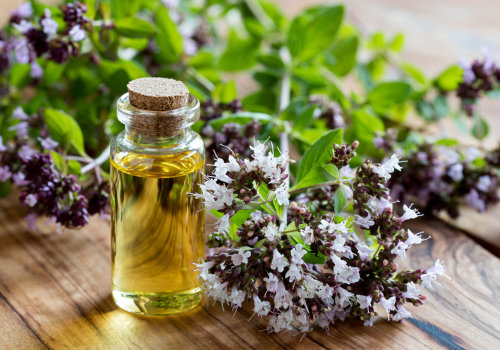
Unlocking the Healing Potential: The Benefits of Oregano Oil as a Natural Antibiotic
Discover the healing potential of oregano oil as a natural antibiotic. Learn about its benefits, uses, and safety precautions.

Oregano oil, derived from the leaves of the oregano plant (Origanum vulgare), has been celebrated for centuries not only as a culinary herb but also for its remarkable medicinal properties. Historically, this potent oil has been utilized in traditional medicine across various cultures, particularly in Mediterranean regions, where it was revered for its ability to combat infections and promote overall health. As modern science continues to explore the depths of natural remedies, the benefits of oregano oil are gaining significant attention, particularly its role as a natural antibiotic . The active compounds found in oregano oil, such as carvacrol and thymol, are primarily responsible for its therapeutic effects. These compounds exhibit strong antibacterial, antifungal, and antiviral properties, making oregano oil a formidable ally in the fight against various pathogens.
Unlike conventional antibiotics that can lead to resistance and adverse side effects, oregano oil offers a more holistic approach to health, harnessing nature's power to support the immune system and promote healing. In recent years, there has been a surge in interest surrounding the use of oregano oil as a natural alternative to synthetic antibiotics. This shift is largely due to the increasing prevalence of antibiotic-resistant bacteria, which poses a significant threat to public health. As individuals seek safer and more effective options for managing infections and enhancing their well-being, oregano oil stands out as a promising solution. Its versatility extends beyond just treating infections; it also boasts antioxidant properties that help protect cells from oxidative stress and inflammation. As we delve deeper into the myriad oregano oil benefits , it becomes clear that this essential oil is not merely a trend but rather a time-tested remedy with profound implications for modern health practices.
From its historical roots in traditional medicine to its contemporary applications in holistic health, oregano oil is poised to play an essential role in our quest for natural healing solutions.
Understanding Oregano Oil: Composition and Extraction Methods
Oregano oil is renowned not only for its health benefits but also for its unique chemical composition, which plays a crucial role in its effectiveness as a natural antibiotic. The primary active compounds found in oregano oil are carvacrol and thymol , both of which belong to a class of compounds known as phenols. These compounds are responsible for the oil's potent antimicrobial properties, making it effective against a wide range of bacteria, fungi, and parasites.Carvacrol
is particularly noteworthy due to its ability to disrupt the cell membranes of harmful microorganisms, leading to their destruction. Studies have shown that carvacrol can inhibit the growth of various strains of bacteria, including those that are resistant to conventional antibiotics.
Similarly,
thymol
contributes to the oil's antifungal properties and enhances its overall effectiveness.
In addition to these primary compounds, oregano oil contains other beneficial constituents such as beta-caryophyllene , p-cymene , and gamma-terpinene. Each of these components adds to the oil's therapeutic profile, providing antioxidant and anti-inflammatory effects that further support health.
The extraction method used to obtain oregano oil significantly impacts its quality and potency. There are several methods for extracting essential oils, each with its advantages and disadvantages:
- Steam Distillation: This is the most common method for extracting oregano oil. It involves passing steam through the plant material, which vaporizes the essential oils.
The steam is then cooled, condensing back into liquid form, where the oil can be separated from water. This method preserves the integrity of the oil's chemical composition.
- Cold Pressing: Although more commonly used for citrus oils, cold pressing can also be applied to oregano. This method involves mechanically pressing the plant material to release the essential oils without heat, preserving delicate compounds.
- Solvent Extraction: In this method, solvents are used to dissolve the essential oils from the plant material. While this can yield a higher quantity of oil, it may also leave behind chemical residues that could affect purity and safety.
- CO2 Extraction: This advanced technique uses carbon dioxide under high pressure to extract essential oils.
It is known for producing high-quality oils with a full spectrum of beneficial compounds but requires specialized equipment.
The Antibacterial Properties of Oregano Oil
Oregano oil has garnered significant attention in recent years for its remarkable antibacterial effects.This essential oil, derived from the leaves of the oregano plant, contains potent compounds such as carvacrol and thymol, which are primarily responsible for its antimicrobial properties. Numerous studies have demonstrated that oregano oil can effectively combat a variety of bacteria, including those that are resistant to conventional antibiotics. One of the most compelling aspects of oregano oil is its efficacy against antibiotic-resistant bacteria. A study published in the journal Microbial Drug Resistance found that carvacrol exhibited strong antibacterial activity against strains of Staphylococcus aureus , including methicillin-resistant Staphylococcus aureus (MRSA). This finding is particularly significant given the rising concern over antibiotic resistance, which poses a serious threat to public health. In another study, researchers investigated the effects of oregano oil on various foodborne pathogens, including Escherichia coli and Salmonella enterica.
The results indicated that oregano oil not only inhibited the growth of these bacteria but also reduced their virulence factors, making it a promising candidate for food preservation and safety. The mechanism behind oregano oil's antibacterial action is multifaceted. The phenolic compounds in oregano oil disrupt bacterial cell membranes, leading to cell lysis and death. Additionally, these compounds can interfere with bacterial metabolism and inhibit biofilm formation, which is crucial for bacterial survival in hostile environments. Furthermore, oregano oil's effectiveness extends beyond just bacteria. It has also shown antifungal and antiviral properties, making it a versatile natural remedy.
For individuals seeking alternatives to traditional antibiotics, oregano oil presents a viable option worth considering. In conclusion, the scientific evidence supporting the antibacterial properties of oregano oil is robust. With its ability to combat antibiotic-resistant strains and its multifaceted mechanisms of action, oregano oil stands out as a powerful natural alternative in the fight against bacterial infections. As research continues to unfold, it may play an increasingly important role in modern medicine.
Additional Health Benefits of Oregano Oil
While the antibacterial properties of oregano oil are widely recognized, its health benefits extend far beyond just fighting infections. This remarkable oil is also known for its antifungal and antioxidant effects, making it a versatile addition to any health regimen.Antifungal Properties
Oregano oil has been shown to possess potent antifungal properties, which can be particularly beneficial in combating various fungal infections.Research indicates that the active compounds in oregano oil, such as carvacrol and thymol, are effective against a range of fungi, including Candida albicans, a common cause of yeast infections. These compounds work by disrupting the cell membranes of fungi, leading to their destruction. In addition to treating existing fungal infections, oregano oil may also serve as a preventive measure. Regular use can help maintain a balanced microbiome, reducing the likelihood of fungal overgrowth in the body. This is especially important for individuals who are prone to recurrent infections or those with weakened immune systems.
Antioxidant Effects
The antioxidant properties of oregano oil are another significant aspect of its health benefits.Antioxidants play a crucial role in neutralizing free radicals—unstable molecules that can cause oxidative stress and damage cells. By incorporating oregano oil into your diet, you can enhance your body's ability to combat oxidative stress, which is linked to various chronic diseases, including heart disease and cancer. Studies have demonstrated that oregano oil contains high levels of phenolic compounds, which are known for their strong antioxidant activity. These compounds not only protect cells from damage but also support overall health by promoting better immune function and reducing inflammation.
Conclusion
In summary, the health benefits of oregano oil extend well beyond its antibacterial effects. Its antifungal properties make it an effective option for preventing and treating fungal infections, while its antioxidant effects contribute to overall wellness by protecting against cellular damage.Incorporating oregano oil into your daily routine can provide a holistic approach to maintaining health and preventing disease.
How to Use Oregano Oil Safely and Effectively
Using oregano oil can be a powerful addition to your health regimen, but it is essential to approach its use with caution and knowledge. Here are some guidelines on how to use oregano oil safely and effectively.Recommended Dosages
The appropriate dosage of oregano oil can vary based on the form in which it is taken and the specific health goals you have in mind. Here are some general recommendations:- Oregano Oil Capsules: Typically, a dosage of 100 to 200 mg taken two to three times daily is common. Always follow the manufacturer's instructions or consult your healthcare provider for personalized advice.
- Liquid Oregano Oil: If using liquid oregano oil, a common dosage is 1 to 4 drops mixed with a carrier oil (like olive oil) or water, taken one to three times daily.
This method helps mitigate the strong taste and potential irritation of undiluted oil.
- Topical Application: For skin issues, dilute oregano oil with a carrier oil at a ratio of 1:3 (one part oregano oil to three parts carrier oil) before applying it to the skin. This dilution helps prevent skin irritation.
Safety Precautions
While oregano oil is generally safe for most people when used appropriately, there are several precautions to consider:- Consult Your Doctor: Before starting any new supplement, including oregano oil, it’s crucial to consult with your healthcare provider, especially if you are pregnant, nursing, or have underlying health conditions.
- Avoid Overuse: Excessive consumption of oregano oil can lead to gastrointestinal upset, including nausea and diarrhea. Stick to recommended dosages.
- Allergic Reactions: Some individuals may experience allergic reactions. Conduct a patch test by applying diluted oregano oil on a small area of skin before widespread use.
- Drug Interactions: Oregano oil may interact with certain medications, particularly blood thinners and medications that affect blood sugar levels.
Always inform your doctor about any supplements you are taking.
Oregano Oil for Specific Conditions: A Closer Look
Oregano oil has gained recognition for its potential benefits in treating various health conditions, particularly infections, skin issues, and respiratory problems. Understanding how this natural remedy can be integrated into treatment plans is essential for maximizing its effectiveness.Oregano Oil for Infections
One of the most compelling uses of oregano oil is its ability to combat infections. The oil contains compounds such as carvacrol and thymol, which have demonstrated strong antibacterial properties.Research indicates that oregano oil can effectively inhibit the growth of a range of bacteria, including those that are resistant to conventional antibiotics.
- Antibiotic-Resistant Bacteria: Studies have shown that oregano oil can be effective against strains like Staphylococcus aureus, which is known for its resistance to multiple antibiotics.
- Fungal Infections: Oregano oil also exhibits antifungal properties, making it useful in treating conditions like athlete's foot and candida infections.
Oregano Oil for Skin Conditions
The topical application of oregano oil can provide relief for various skin conditions due to its anti-inflammatory and antimicrobial properties. It can be particularly beneficial for:- Acne: Oregano oil can help reduce acne breakouts by targeting the bacteria that contribute to inflammation and infection.
- Eczema and Psoriasis: Its soothing properties may alleviate symptoms associated with these chronic skin conditions, promoting healthier skin.
Oregano Oil for Respiratory Issues
Oregano oil may also play a role in alleviating respiratory problems. Its expectorant properties can help clear mucus from the airways, making it easier to breathe. This is particularly beneficial for individuals suffering from:- Colds and Flu: Oregano oil can support the immune system and may reduce the duration of cold symptoms.
- Allergies: The anti-inflammatory effects of oregano oil can help soothe irritated airways during allergy season.
However, it is essential to consult with a healthcare professional before starting any new treatment regimen to ensure safety and efficacy.
Potential Side Effects and Considerations When Using Oregano Oil
While the benefits of oregano oil are well-documented, it is equally important to be aware of its potential side effects and contraindications. Understanding these aspects can help ensure safe and effective use of this powerful natural remedy.Common Side Effects
Oregano oil is generally considered safe for most people when used appropriately. However, some individuals may experience side effects, including:- Skin Irritation: When applied topically, oregano oil can cause irritation or a burning sensation on sensitive skin. It is advisable to dilute the oil with a carrier oil, such as coconut or olive oil, before applying it to the skin.
- Gastrointestinal Issues: Some users report digestive discomfort, including nausea, upset stomach, or diarrhea, particularly when taking oregano oil in high doses.
- Allergic Reactions: Although rare, some individuals may have an allergic reaction to oregano oil.
Symptoms can include rash, itching, or difficulty breathing. If any of these symptoms occur, discontinue use immediately and seek medical attention.
Contraindications
Certain groups of people should exercise caution or avoid using oregano oil altogether:- Pregnant and Nursing Women: Oregano oil may stimulate menstruation or affect hormone levels. Pregnant or nursing women should consult their healthcare provider before using it.
- Individuals with Allergies: Those with known allergies to plants in the Lamiaceae family (which includes mint, basil, and thyme) should avoid oregano oil due to the risk of cross-reactivity.
- People with Bleeding Disorders: Oregano oil may slow blood clotting. Individuals with bleeding disorders or those taking anticoagulant medications should consult a healthcare professional before use.
Consultation with Healthcare Providers
Before incorporating oregano oil into your health regimen, especially if you have underlying health conditions or are taking other medications, it is crucial to consult with a healthcare provider.They can provide personalized advice based on your health history and current medications. In summary, while oregano oil offers numerous health benefits, being aware of its potential side effects and contraindications is essential for safe usage. By taking these precautions and consulting with a healthcare professional when necessary, you can enjoy the advantages of this remarkable natural remedy while minimizing risks.
Future Research Directions for Oregano Oil in Medicine
As the interest in natural remedies continues to grow, oregano oil has emerged as a promising candidate for further exploration in the field of medicine. While existing studies have highlighted its antibacterial, antifungal, and antioxidant properties, there remains a significant gap in comprehensive clinical research that validates these findings in human populations. Future research directions should focus on several key areas to fully understand the medicinal uses of oregano oil.1.Clinical Trials
- Conducting randomized controlled trials (RCTs) to assess the efficacy of oregano oil in treating specific infections, particularly those caused by antibiotic-resistant bacteria.
- Investigating the optimal dosages and forms of oregano oil (e.g., capsules, topical applications) for various health conditions.
- Exploring the long-term safety profile of oregano oil when used as a regular supplement or treatment option.
2.Mechanisms of Action
- Studying the biochemical pathways through which oregano oil exerts its effects on pathogens and inflammation.
- Identifying the active compounds responsible for its medicinal properties, such as carvacrol and thymol, and understanding their interactions with human cells.
3.Comparative Studies
- Comparing the effectiveness of oregano oil with conventional antibiotics and other natural remedies to establish its place in modern medicine.
- Evaluating the synergistic effects of oregano oil when combined with other essential oils or herbal treatments.
4.Applications Beyond Infections
- Investigating potential uses of oregano oil in managing chronic conditions such as arthritis, respiratory diseases, and metabolic disorders due to its anti-inflammatory properties.
- Exploring its role in enhancing gut health and its potential as a prebiotic or probiotic agent.
By prioritizing rigorous clinical studies and mechanistic research, we can better understand how this powerful essential oil can be integrated into healthcare practices safely and effectively.
Conclusion: Embracing Oregano Oil as a Natural Antibiotic Alternative
In summary, the exploration of oregano oil benefits reveals a remarkable natural alternative to conventional antibiotics. Its potent antibacterial properties, coupled with its antioxidant, antifungal, and anti-inflammatory effects, position oregano oil as a versatile tool in promoting health and combating infections. As we face the growing challenge of antibiotic resistance, the significance of incorporating natural remedies like oregano oil into our health regimens cannot be overstated. Throughout this article, we have delved into the various aspects of oregano oil, highlighting its effectiveness against a range of pathogens, including those resistant to traditional antibiotics. The studies supporting its efficacy provide a strong foundation for considering oregano oil as a viable option for treating infections.Furthermore, its safety profile for long-term use makes it an appealing choice for individuals seeking natural solutions. Moreover, the antioxidant properties of oregano oil contribute to cellular protection against oxidative stress, which is crucial in preventing chronic diseases. Its anti-inflammatory effects can also aid in managing conditions such as arthritis and other inflammatory disorders, enhancing overall well-being. As you contemplate integrating oregano oil into your health routine, it is essential to approach it with informed caution. Consulting with a healthcare professional is advisable, especially if you are currently on medication or have underlying health conditions. This ensures that you can safely harness the benefits of oregano oil without adverse interactions. In conclusion, embracing oregano oil as a natural antibiotic alternative not only empowers you to take charge of your health but also aligns with a holistic approach to wellness.
By incorporating this powerful oil into your daily regimen, you can enhance your body’s defenses and promote a healthier lifestyle.