Unlocking the Benefits of Oregano Oil and Probiotics for Poultry Health
Discover the powerful benefits of oregano oil and probiotics for enhancing poultry health, gut microbiome, and overall productivity.
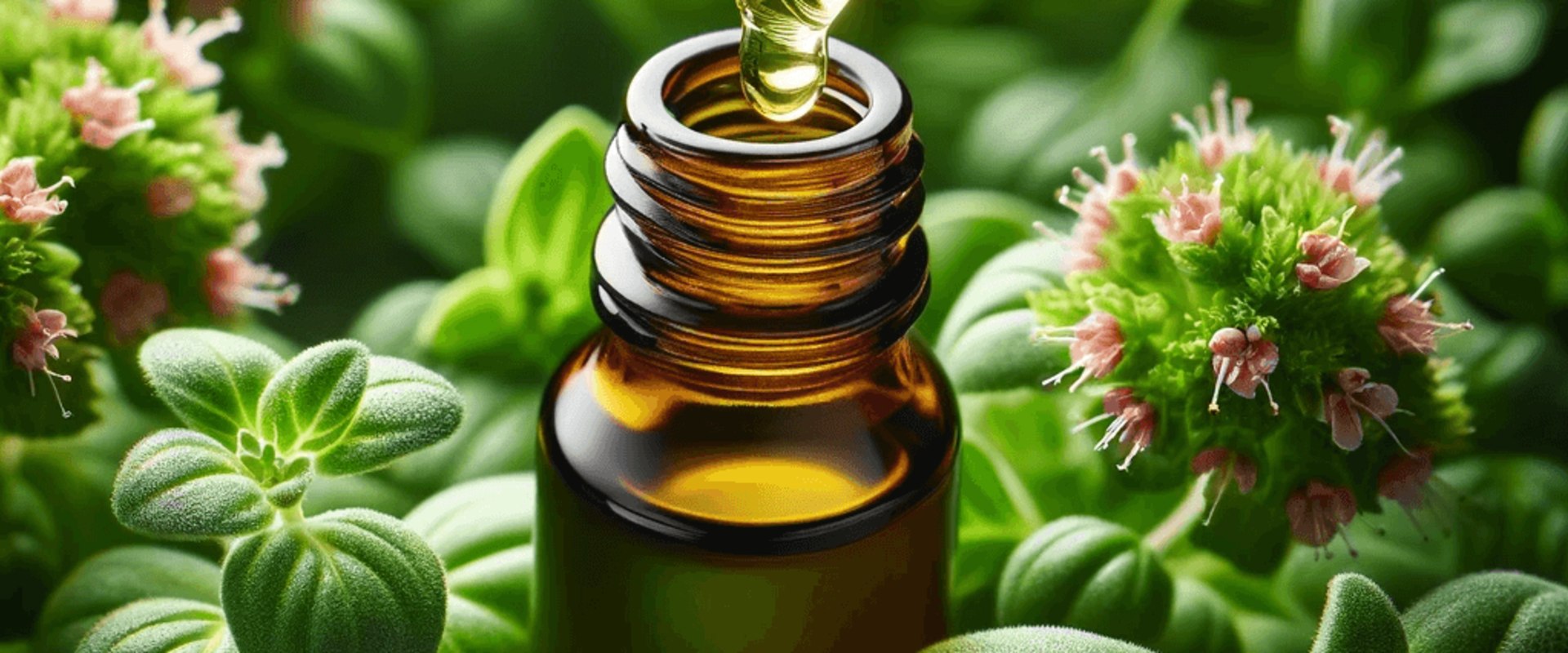
Poultry health and nutrition are critical components of successful poultry farming, influencing not only the well-being of the birds but also the overall productivity and profitability of the operation. As consumers become increasingly aware of the importance of animal welfare and sustainable farming practices, there is a growing interest in natural supplements that can enhance poultry health. Among these, probiotics and oregano oil have emerged as powerful allies in promoting optimal gut health and improving the immune response in poultry. The gut microbiome plays a vital role in the health of poultry, affecting digestion, nutrient absorption, and disease resistance. A balanced gut microbiome is essential for maintaining a healthy flock, as it helps to fend off pathogenic bacteria and supports overall metabolic functions.
This is where probiotics come into play; they introduce beneficial microorganisms into the digestive system, fostering a diverse microbial community that can outcompete harmful bacteria. However, the integration of natural substances like oregano oil can further enhance these benefits. Oregano oil is renowned for its potent antimicrobial properties, which can help reduce the prevalence of harmful pathogens in the gut. This dual approach—using both probiotics and oregano oil—can create a synergistic effect that not only improves gut health but also enhances feed efficiency and growth rates in poultry. As farmers seek to optimize their production methods while adhering to higher standards of animal care, understanding the benefits of oregano oil becomes increasingly important. In this article, we will delve deeper into how these natural supplements work together to support poultry health.
We will explore scientific studies that highlight their effectiveness, discuss practical applications for farmers, and provide insights into how these strategies can lead to healthier birds and more sustainable farming practices.
Understanding Probiotics: The Good Bacteria
Probiotics are live microorganisms that, when administered in adequate amounts, confer health benefits to the host. These beneficial bacteria play a crucial role in maintaining gut health, particularly in poultry. By populating the intestinal tract, probiotics help to create a balanced microbiome, which is essential for optimal digestion and nutrient absorption. One of the primary benefits of probiotics is their ability to enhance digestion. They assist in breaking down complex carbohydrates and proteins, making it easier for poultry to absorb essential nutrients.This improved digestion can lead to better feed conversion rates, meaning that birds can convert feed into body mass more efficiently. In turn, this can result in healthier birds and increased productivity for poultry farmers. Moreover, probiotics support the immune system by outcompeting harmful bacteria for resources and space within the gut. This competitive exclusion helps to prevent infections and diseases that can negatively impact poultry health. A robust immune response is vital for maintaining overall health and productivity in flocks. In addition to enhancing digestion and supporting immunity, probiotics also play a role in reducing stress in poultry.
Stress can arise from various factors such as environmental changes, transportation, or handling. Probiotics can help mitigate these stressors by stabilizing gut flora and promoting a sense of well-being among birds. Furthermore, the use of probiotics in poultry has been linked to improved overall health outcomes. Studies have shown that birds supplemented with probiotics exhibit better growth rates and lower mortality rates compared to those without such supplementation. This is particularly important in commercial poultry production, where maximizing growth while minimizing losses is crucial. In summary, probiotics are essential for maintaining gut health in poultry.
Their ability to improve digestion, enhance nutrient absorption, support immune function, and reduce stress makes them a valuable addition to poultry diets. As research continues to uncover the myriad benefits of these good bacteria, their role in promoting poultry health will only become more significant.
The Role of Oregano Oil in Poultry Health
Oregano oil has emerged as a powerful natural supplement in the realm of poultry health, offering a multitude of benefits that can significantly enhance the well-being and productivity of birds. One of the most notable attributes of oregano oil is its potent antimicrobial properties , which make it an effective agent against various harmful bacteria and pathogens that can compromise poultry health. The primary active compounds in oregano oil, such as carvacrol and thymol, are known for their ability to disrupt the cell membranes of bacteria, leading to cell death. This action is particularly beneficial in poultry farming, where birds are often exposed to pathogens like Salmonella and E.coli
. By incorporating oregano oil into their diet, poultry farmers can help reduce the prevalence of these harmful microorganisms, thereby lowering the risk of disease outbreaks. Moreover, oregano oil not only targets harmful bacteria but also supports the growth of beneficial gut microbiota. This dual action is crucial for maintaining a balanced intestinal environment, which is essential for optimal nutrient absorption and overall health. When used in conjunction with probiotics, oregano oil can enhance the effectiveness of these beneficial bacteria.Probiotics help repopulate the gut with good bacteria, while oregano oil ensures that harmful pathogens are kept at bay. In addition to its antimicrobial effects, oregano oil has been shown to improve feed conversion rates in poultry. By promoting a healthier gut environment, birds can more efficiently convert feed into energy and growth. This leads to better weight gain and overall performance, making oregano oil a valuable addition to poultry diets. Furthermore, the use of oregano oil can also contribute to improved respiratory health in poultry. Its natural anti-inflammatory properties may help alleviate respiratory issues that are common in crowded farming conditions.
By supporting respiratory function, oregano oil can enhance the overall vitality and productivity of poultry. In summary, the incorporation of oregano oil into poultry diets offers numerous benefits, including its antimicrobial properties that combat harmful bacteria, its synergistic effects with probiotics, and its positive impact on feed efficiency and respiratory health. As research continues to unveil the full potential of this remarkable herb, it stands as a testament to the power of natural solutions in promoting poultry health.
Synergistic Effects of Probiotics and Oregano Oil
The combination of probiotics and oregano oil has garnered significant attention in the field of poultry health due to its potential synergistic effects. Both components play distinct yet complementary roles in enhancing gut health, which is crucial for the overall well-being and productivity of poultry.Understanding Probiotics and Oregano Oil
Probiotics are live microorganisms that, when administered in adequate amounts, confer health benefits to the host. They help maintain a balanced gut microbiome, which is essential for nutrient absorption, immune function, and disease resistance.
On the other hand, oregano oil is renowned for its potent antimicrobial properties, which can help eliminate harmful bacteria and fungi in the gut.
Benefits of Combining Probiotics and Oregano Oil
- Enhanced Gut Microbiome Diversity: Studies have shown that the combination of probiotics and oregano oil can lead to a more diverse gut microbiome. This diversity is vital as it contributes to a more resilient gut environment capable of resisting pathogenic invasions.
- Improved Nutrient Absorption: A healthy gut microbiome facilitated by probiotics can enhance nutrient absorption. When combined with oregano oil, which helps reduce harmful bacteria, the overall digestive efficiency improves, leading to better growth rates in poultry.
- Boosted Immune Response: The synergistic effect of these two supplements can bolster the immune system of poultry. A balanced gut microbiome supports immune function, while oregano oil's antimicrobial properties help prevent infections.
-
Reduction of Pathogenic Bacteria: Oregano oil effectively reduces the population of harmful bacteria such as Salmonella and E.
coli. This reduction allows probiotics to thrive and repopulate the gut with beneficial bacteria, further enhancing gut health.
Research Insights
Recent studies have demonstrated that poultry supplemented with both probiotics and oregano oil exhibit significant improvements in health markers compared to those receiving either supplement alone. For instance, chicks receiving this combination showed enhanced intestinal morphology and microbial composition in their ceca, leading to better overall health outcomes. This evidence suggests that integrating probiotics with oregano oil not only maximizes their individual benefits but also creates a more favorable environment for poultry health. As research continues to evolve, it becomes increasingly clear that this powerful combination could be a game-changer in poultry nutrition strategies.
Scientific Studies Supporting Oregano Oil and Probiotics in Poultry
Numerous scientific studies have explored the benefits of incorporating oregano oil and probiotics into poultry diets, revealing significant improvements in various health and performance metrics.These studies provide compelling evidence for poultry producers looking to enhance the well-being and productivity of their flocks. One notable study conducted by Ghazalah et al. (2018) examined the effects of oregano oil on broiler chickens. The researchers found that supplementation with oregano oil led to a marked increase in weight gain and improved feed conversion ratios. The study highlighted that the antimicrobial properties of oregano oil could help reduce the prevalence of pathogenic bacteria in the gut, thereby promoting better nutrient absorption. Another important research effort by Al-Kassie (2009) focused on the impact of probiotics on poultry health.
This study demonstrated that chicks receiving a diet supplemented with probiotics exhibited enhanced intestinal morphology, characterized by increased villus height and surface area. These changes are crucial as they facilitate greater nutrient absorption, ultimately leading to improved growth performance. In a comprehensive review by Gadde et al. (2017), the authors analyzed multiple studies on the use of probiotics in poultry. They concluded that probiotics not only improve gut health but also positively influence the overall microbial composition within the intestines.
This shift towards a healthier gut microbiome is essential for maintaining optimal poultry health and productivity. Furthermore, a recent study published in the Journal of Animal Science investigated the combined effects of oregano oil and probiotics on broiler chickens. The findings indicated that this combination resulted in significant improvements in both growth performance and intestinal microbial diversity compared to control groups. The synergistic effect of these two supplements appears to enhance their individual benefits, making them a powerful duo for promoting poultry health. Overall, the scientific evidence supporting the use of oregano oil and probiotics in poultry diets is robust. These studies collectively demonstrate that these supplements can lead to improved growth rates, enhanced intestinal morphology, and a more balanced gut microbiome, ultimately contributing to better overall health and productivity in poultry.
Practical Applications: How to Use Oregano Oil and Probiotics in Poultry Farming
Incorporating oregano oil and probiotics into poultry farming can significantly enhance the health and productivity of your flock.Here are some practical applications and guidelines for effectively using these supplements.
How to Use Oregano Oil in Poultry
Oregano oil can be administered in various forms, including liquid, powder, or as part of a feed supplement. Here are some recommended practices:- Dosage: A common dosage for oregano oil is approximately 0.5 to 1 mL per liter of drinking water. For powdered oregano, aim for about 0.5% of the total feed weight.
- Timing: Introduce oregano oil during periods of stress, such as weaning or transportation, to help support gut health and reduce the risk of infections.
- Mixing: Ensure that oregano oil is well mixed with water or feed to promote even distribution and prevent any potential adverse reactions.
Administering Probiotics to Chickens
Probiotics can be administered in several ways, including through drinking water, feed additives, or as a direct oral supplement. Here are some best practices:- Dosage: Follow the manufacturer's recommendations for dosage, which typically ranges from 1 to 5 grams per 100 kg of feed.
-
Timing: Administer probiotics during the first few weeks of life to establish a healthy gut microbiome.
Additionally, consider using them after antibiotic treatments to restore gut flora.
- Storage: Store probiotics in a cool, dry place to maintain their viability and effectiveness.
Best Practices for Poultry Health Supplements
To maximize the benefits of oregano oil and probiotics, consider the following best practices:- Consultation: Always consult with a veterinarian or an animal nutritionist before introducing new supplements to ensure they align with your flock's specific needs.
- Monitoring: Regularly monitor your flock's health and performance metrics to assess the effectiveness of the supplements.
- Consistency: Maintain a consistent supplementation schedule to achieve optimal results over time.
Addressing Common Concerns About Oregano Oil and Probiotics
When considering the use of oregano oil and probiotics in poultry health, several common concerns arise. Addressing these misconceptions is crucial for poultry farmers and enthusiasts who wish to optimize their flock's health.1.Concerns About Oregano Oil:
-
Will oregano oil harm beneficial bacteria? One prevalent concern is that oregano oil, known for its strong antimicrobial properties, might eliminate beneficial gut bacteria. However, research indicates that oregano oil does not indiscriminately kill all bacteria. Instead, it selectively targets harmful pathogens while allowing beneficial strains to thrive.
This selective action can actually create a more favorable environment for probiotics to flourish.
- Is oregano oil safe for chickens? Oregano oil is generally recognized as safe for poultry when used appropriately. Studies have shown that it can enhance gut health without adverse effects on overall well-being. It is essential to use high-quality, food-grade oregano oil and adhere to recommended dosages to ensure safety.
2.Do Probiotics Interfere with Oregano Oil?
Another common question is whether probiotics and oregano oil can be used together without negative interactions. The answer is yes; they can be effectively combined.
While some may worry that the antimicrobial effects of oregano oil could hinder probiotic efficacy, evidence suggests that the two can work synergistically. Oregano oil helps reduce harmful bacteria, creating a more hospitable environment for probiotics to establish and multiply in the gut.
3.Safety of Oregano Oil for Chickens:
The safety of oregano oil for chickens has been supported by various studies. When administered in appropriate amounts, it has been shown to improve gut health and overall performance in poultry without causing harm. Farmers should monitor their flocks for any signs of distress or adverse reactions when introducing new supplements, including oregano oil.
In conclusion, understanding the benefits and addressing concerns about oregano oil and probiotics can lead to better poultry management practices.
By dispelling myths and relying on scientific evidence, poultry producers can confidently incorporate these supplements into their feeding regimens.
Conclusion: The Future of Poultry Health with Natural Supplements
As we conclude our exploration of the benefits of oregano oil and probiotics in poultry health, it is essential to recognize the significant role that natural supplements can play in enhancing the well-being and productivity of poultry. The integration of these natural additives into poultry diets not only supports gut health but also promotes overall performance, which is crucial for both small-scale and commercial poultry operations. The studies discussed throughout this article have demonstrated that the combination of Bacillus subtilisBacillus subtilis and oregano oil can lead to remarkable improvements in various health parameters. These include:- Enhanced gut microbiome diversity: A diverse gut microbiome is vital for nutrient absorption and immune function, which are critical for the growth and health of poultry.
- Improved feed conversion rates: By optimizing gut health, these supplements can lead to more efficient feed utilization, ultimately resulting in better growth rates and lower feed costs.
- Reduction of harmful bacteria: Oregano oil's antimicrobial properties help to suppress pathogenic bacteria, allowing beneficial probiotics to flourish.
- Support for intestinal morphology: Healthy intestinal structure is essential for effective digestion and nutrient absorption, contributing to overall poultry health.
As consumers increasingly demand healthier and more sustainable food sources, poultry producers must adapt by incorporating these innovative solutions into their practices. Continued research into the synergistic effects of natural supplements will further illuminate their potential benefits, paving the way for enhanced animal welfare and improved production outcomes. In conclusion, the integration of oregano oil and probiotics represents a promising avenue for advancing poultry health. By prioritizing these natural solutions, we can ensure a healthier future for our poultry populations while meeting the growing demands of consumers for high-quality, sustainably produced food.


