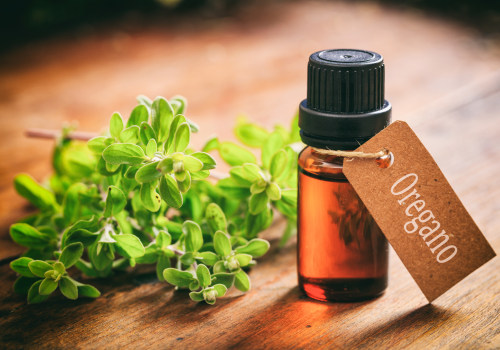
The Power of Oregano Oil: A Natural Alternative to Antibiotics
Discover the powerful benefits of oregano oil as a natural alternative to antibiotics, supporting health and combating infections effectively.

Oregano oil, derived from the leaves of the oregano plant (Origanum vulgare), has been celebrated for centuries not only as a culinary herb but also as a potent natural remedy. Its rich history dates back to ancient civilizations, where it was used for its medicinal properties. The Greeks and Romans valued oregano for its ability to promote health and well-being, often incorporating it into their diets and herbal treatments. Today, as the world increasingly turns to natural alternatives for health care, the benefits of oregano oil are gaining renewed attention. In recent years, the rise of antibiotic-resistant bacteria has prompted many to seek out natural antibiotics that can effectively combat infections without the side effects associated with conventional medications.
Oregano oil stands out in this regard due to its remarkable antimicrobial properties. Research has shown that it possesses strong antibacterial, antiviral, and antifungal capabilities, making it a versatile option for those looking to enhance their health naturally. This essential oil is rich in compounds such as carvacrol and thymol, which are primarily responsible for its therapeutic effects. The growing popularity of oregano oil is not just a trend; it reflects a broader shift towards holistic health practices. Many individuals are now exploring various oregano oil uses , from treating minor ailments like colds and digestive issues to more serious conditions such as infections.
As people become more aware of the potential dangers of overusing antibiotics, oregano oil emerges as a compelling alternative that offers both efficacy and safety. As we delve deeper into the myriad benefits of oregano oil throughout this article, you will discover how this powerful natural remedy can be integrated into your daily routine. Whether you are looking to boost your immune system or find relief from specific health concerns, understanding the full spectrum of oregano oil's benefits will empower you to make informed choices about your health.
What is Oregano Oil?
Oregano oil is derived from the leaves and flowers of the oregano plant, scientifically known as Origanum vulgare. This aromatic herb is native to Europe, particularly the Mediterranean region, where it has been used for centuries not only as a culinary spice but also for its medicinal properties. The oil is extracted primarily through a process called steam distillation, which involves passing steam through the plant material to release the essential oils.This method ensures that the delicate compounds are preserved, resulting in a potent oil that retains the plant's natural benefits. The composition of oregano oil is what makes it particularly valuable in natural health. The primary active components include:
- Carvacrol: This phenolic compound is renowned for its strong antimicrobial properties. Research has shown that carvacrol can effectively inhibit the growth of various bacteria and fungi, making it a powerful agent against infections.
- Thymol: Another significant component, thymol, contributes to oregano oil's antiseptic qualities. It has been studied for its ability to enhance immune function and protect against pathogens.
- Rosmarinic acid: Known for its anti-inflammatory and antioxidant effects, rosmarinic acid helps combat oxidative stress in the body, promoting overall health.
- Beta-caryophyllene: This compound has been recognized for its potential anti-inflammatory properties and may play a role in pain relief.
Each element works synergistically to enhance the oil's effectiveness in treating various ailments. For instance, the combination of carvacrol and thymol not only fights off harmful bacteria but also supports the immune system, making oregano oil a versatile addition to your health regimen. In summary, oregano oil is more than just a flavorful herb; it is a concentrated source of powerful compounds that can support health in numerous ways. Its extraction process preserves these beneficial properties, allowing users to harness the full potential of this natural remedy.
The Antimicrobial Properties of Oregano Oil
Oregano oil has garnered significant attention in recent years for its remarkable antimicrobial properties. This essential oil, derived from the leaves of the oregano plant (Origanum vulgare), contains potent compounds that have been shown to effectively combat a variety of pathogens, including bacteria, viruses, and fungi. One of the primary active components of oregano oil is carvacrol , which has been extensively studied for its antimicrobial effects.Research indicates that carvacrol disrupts the cell membranes of bacteria, leading to cell death. A study published in the Journal of Applied Microbiology demonstrated that carvacrol was effective against several strains of bacteria, including Escherichia coli and Staphylococcus aureus , both of which are known to cause serious infections in humans. In addition to carvacrol, oregano oil contains another compound called thymol , which also exhibits strong antimicrobial activity. Thymol works by enhancing the permeability of bacterial cell membranes, allowing essential nutrients to leak out and ultimately leading to bacterial death. This dual action of carvacrol and thymol makes oregano oil a formidable opponent against harmful microorganisms. When comparing oregano oil to traditional antibiotics, it is essential to note that while antibiotics target specific bacteria, oregano oil has a broader spectrum of activity.
This means that it can potentially fight off multiple strains of bacteria simultaneously, making it a valuable alternative in an era where antibiotic resistance is a growing concern. Studies have shown that oregano oil can inhibit the growth of antibiotic-resistant strains, providing hope for those seeking natural remedies. The effectiveness of oregano oil extends beyond bacterial infections; it has also been shown to possess antiviral and antifungal properties. For instance, research published in the Journal of Medicinal Food found that oregano oil was effective against various strains of fungi, including those responsible for skin infections and respiratory issues. In summary, the antimicrobial properties of oregano oil make it a compelling natural alternative to conventional antibiotics. Its ability to combat a wide range of pathogens through mechanisms such as disrupting cell membranes positions it as a powerful tool in maintaining health and preventing infections.
Health Benefits of Oregano Oil
Oregano oil is not just a culinary delight; it is also a powerhouse of health benefits that can significantly enhance your well-being.Its rich composition of active compounds, particularly carvacrol and thymol, contributes to its therapeutic properties, making it a valuable addition to your health regimen.
1.Immune System Support
One of the most notable benefits of oregano oil is its ability to bolster the immune system. Research indicates that the antioxidants present in oregano oil can help combat oxidative stress, which is crucial for maintaining a robust immune response. A study published in the Journal of Medicinal Food highlighted that oregano oil enhances the activity of immune cells, thereby improving the body’s ability to fend off infections.
2.Antimicrobial Properties
Oregano oil has been extensively studied for its antimicrobial effects. It has shown effectiveness against various pathogens, including bacteria, viruses, and fungi.
For instance, a study conducted by researchers at the University of Massachusetts Amherst found that oregano oil exhibited strong antibacterial activity against Pseudomonas aeruginosaPseudomonas aeruginosa, a common antibiotic-resistant bacterium. This makes oregano oil a promising natural alternative for treating infections.
3.Respiratory Health
The oil's anti-inflammatory properties can also benefit respiratory health. Oregano oil may help alleviate symptoms associated with respiratory infections by reducing inflammation in the airways and acting as an expectorant. This can be particularly useful during cold and flu season.
4.Digestive Health
In addition to its immune-boosting and antimicrobial properties, oregano oil can support digestive health.
It has been shown to promote healthy gut flora and may help alleviate symptoms of gastrointestinal discomfort, such as bloating and gas. Regular use of oregano oil may contribute to improved digestion and nutrient absorption.
5.Anti-inflammatory Effects
The anti-inflammatory properties of oregano oil extend beyond respiratory health; they can also aid in reducing inflammation throughout the body. Chronic inflammation is linked to numerous health issues, including heart disease and arthritis. Incorporating oregano oil into your diet may help mitigate these risks.
In conclusion, the health benefits of oregano oil are vast and varied, making it an excellent natural remedy for enhancing overall health.
Whether you are looking to boost your immune system, treat infections, or improve digestive health, oregano oil offers a multitude of therapeutic advantages backed by scientific research.
How to Use Oregano Oil Safely
Using oregano oil can be a beneficial addition to your health regimen, but it is essential to do so safely and effectively. Here are some guidelines on how to use oregano oil, including recommended dosages and safety considerations.Recommended Dosages
The dosage of oregano oil can vary based on the method of application and the specific health issue being addressed. Here are some general recommendations:-
Internal Use: For those looking to boost their immune system or combat infections, a common dosage is 3 to 4 drops of oregano oil mixed with a carrier such as olive oil or honey. This can be taken three times daily for up to a week.
It’s advisable to start with a lower dose to assess tolerance.
- Oregano Oil Softgels: If you prefer a more convenient option, oregano oil softgels are available. Typically, one softgel taken two to three times daily is sufficient, but always follow the manufacturer’s instructions.
- Topical Application: For skin issues like acne or fungal infections, dilute 3 drops of oregano oil in a tablespoon of carrier oil (such as coconut or jojoba oil) before applying it directly to the affected area. This dilution helps prevent skin irritation.
Safety Considerations
While oregano oil is generally safe for most people when used appropriately, there are some important safety considerations to keep in mind:- Allergic Reactions: Some individuals may experience allergic reactions to oregano oil. It’s advisable to perform a patch test by applying a diluted drop on a small area of skin before widespread use.
- Pregnancy and Breastfeeding: Pregnant or breastfeeding women should consult with a healthcare provider before using oregano oil, as its effects during these periods are not well-studied.
-
Drug Interactions: Oregano oil may interact with certain medications, particularly blood thinners and medications that affect blood sugar levels.
Always consult your healthcare provider if you are on medication.
- Gastrointestinal Issues: High doses of oregano oil can cause gastrointestinal upset, including nausea or diarrhea. If you experience these symptoms, reduce your dosage or discontinue use.
Oregano Oil in Comparison to Traditional Antibiotics
When considering oregano oil as a potential alternative to traditional antibiotics, it is essential to evaluate both its effectiveness and limitations. While antibiotics have been a cornerstone of modern medicine for treating bacterial infections, the rise of antibiotic resistance has prompted many to explore natural remedies like oregano oil.Effectiveness of Oregano Oil
Research indicates that oregano oil possesses potent antimicrobial properties, primarily due to its active compound, carvacrol.
Studies have shown that oregano oil can effectively inhibit the growth of various bacteria, including some strains that are resistant to conventional antibiotics. For instance, a study published in the Journal of Applied Microbiology demonstrated that oregano oil was effective against Staphylococcus aureus, a common pathogen known for its resistance to multiple antibiotics.
Advantages of Oregano Oil
- Natural Origin: Oregano oil is derived from the leaves of the oregano plant, making it a natural alternative without the synthetic components found in many pharmaceuticals.
- Broad Spectrum: It exhibits activity against a wide range of pathogens, including bacteria, viruses, and fungi, which makes it versatile for treating various infections.
- Minimal Side Effects: Unlike some antibiotics that can cause gastrointestinal disturbances or allergic reactions, oregano oil is generally well-tolerated when used appropriately.
Limitations of Oregano Oil
- Lack of Regulation: Unlike prescription antibiotics, oregano oil is not regulated by health authorities, leading to variability in quality and concentration among products.
- Dosing Challenges: Determining the correct dosage can be difficult, as there are no standardized guidelines for using oregano oil as an antibiotic alternative.
- Not a Substitute for Severe Infections: While oregano oil may be effective for mild infections or as a preventive measure, it should not replace traditional antibiotics in cases of severe bacterial infections or when immediate medical intervention is necessary.
Research Studies on Oregano Oil's Efficacy
Numerous research studies have been conducted to evaluate the efficacy of oregano oil against various pathogens, providing a scientific foundation for its use as a natural alternative to antibiotics. These studies highlight the oil's potent antimicrobial properties and its potential applications in both clinical and home settings. One significant study published in the Journal of Applied Microbiology examined the effects of oregano oil on several strains of bacteria, including Escherichia coli and Staphylococcus aureus.The researchers found that oregano oil exhibited strong antibacterial activity, effectively inhibiting the growth of these pathogens at relatively low concentrations. This suggests that oregano oil could be a viable option for combating foodborne illnesses caused by these bacteria. Another pivotal study conducted by scientists at the University of Massachusetts Amherst focused on the oil's effectiveness against antibiotic-resistant bacteria. The findings revealed that oregano oil had a higher minimum inhibitory concentration (MIC) against Pseudomonas aeruginosa, a notorious antibiotic-resistant pathogen, compared to other essential oils. This indicates that oregano oil may serve as a powerful tool in addressing the growing concern of antibiotic resistance. In addition to its antibacterial properties, research published in the Journal of Medicinal Food explored the antifungal effects of oregano oil.
The study demonstrated that oregano oil was effective against various fungal strains, including those responsible for common skin infections. The active compound carvacrol, found in high concentrations in oregano oil, was identified as a key player in disrupting fungal cell membranes, leading to cell death. Furthermore, a systematic review in the International Journal of Food Microbiology compiled data from multiple studies and concluded that oregano oil possesses significant antimicrobial activity against both bacteria and fungi. This comprehensive analysis reinforces the notion that incorporating oregano oil into health regimens could provide an effective means of preventing and treating infections. The cumulative evidence from these studies underscores the potential benefits of oregano oil as a natural remedy. As research continues to unveil its capabilities, it becomes increasingly clear that this essential oil is not just a culinary herb but also a formidable ally in promoting health and combating pathogens.
Frequently Asked Questions about Oregano Oil
As the popularity of oregano oil continues to rise, many individuals have questions about its safety, efficacy, and proper usage.Below are some of the most frequently asked questions regarding oregano oil that can help clarify its benefits and address common concerns.
Is oregano oil safe for everyone?
While oregano oil is generally considered safe for most people when used appropriately, there are certain groups who should exercise caution. Pregnant and breastfeeding women are advised to consult a healthcare professional before using oregano oil, as its effects on pregnancy and lactation are not fully understood. Additionally, individuals with allergies to plants in the Lamiaceae family, which includes mint, basil, and sage, should avoid oregano oil to prevent allergic reactions.Can oregano oil interact with medications?
Yes, oregano oil can interact with certain medications. It may enhance the effects of anticoagulants (blood thinners) and could potentially interfere with medications that affect blood sugar levels.If you are taking any prescription medications or have underlying health conditions, it is crucial to consult your healthcare provider before incorporating oregano oil into your routine.
How should I use oregano oil?
Oregano oil can be used in various ways depending on your needs:- Internal Use: For internal consumption, it is often recommended to dilute 3-4 drops of oregano oil in a carrier liquid such as water or milk. This can be taken up to three times daily for short periods.
- Topical Application: When using oregano oil topically, it should always be diluted with a carrier oil (like coconut or olive oil) to prevent skin irritation. A common ratio is three drops of oregano oil mixed with one tablespoon of carrier oil.
- Aromatherapy: Oregano oil can also be used in diffusers for its aromatic properties, which may help purify the air and provide respiratory support.
What are the potential side effects of oregano oil?
While many people tolerate oregano oil well, some may experience side effects such as:- Skin irritation or allergic reactions when applied topically without dilution.
- Nausea or gastrointestinal discomfort if taken in excessive amounts.
- Headaches or dizziness in rare cases.
Can I use oregano oil for pets?
Oregano oil is sometimes used in veterinary medicine; however, it should only be administered under the guidance of a veterinarian. Some essential oils can be toxic to pets, so it’s essential to ensure that any treatment is safe for your specific animal. In summary, while oregano oil offers numerous health benefits and can serve as a natural alternative to antibiotics, it is important to use it responsibly and consult with a healthcare provider if you have any concerns or pre-existing conditions.Conclusion: Embracing Oregano Oil as a Natural Remedy
In summary, the exploration of oregano oil benefits reveals a compelling case for its use as a natural alternative to traditional antibiotics.With its rich history rooted in ancient medicine, oregano oil has emerged as a powerful remedy, showcasing remarkable antimicrobial , antibacterial , and antifungal properties. The active compound, carvacrol, plays a pivotal role in its effectiveness, demonstrating the ability to combat various pathogens without the risk of developing resistance that is often associated with conventional antibiotics. As we have discussed, oregano oil is not only effective against common bacterial infections but also shows promise in addressing antibiotic-resistant strains. This is particularly significant in today's healthcare landscape, where antibiotic resistance poses a growing threat to public health. The findings from various studies underscore oregano oil's potential to inhibit harmful bacteria while promoting overall wellness. Incorporating oregano oil into your health regimen can be done in several ways, whether through internal consumption or topical application.
For those seeking to enhance their immune system or treat minor infections, oregano oil offers a versatile solution. However, it is essential to approach its use with care and consult healthcare professionals when necessary. Ultimately, embracing oregano oil as part of your natural health toolkit can lead to improved well-being and a proactive approach to managing health challenges. As you consider integrating this potent oil into your lifestyle, remember that nature often provides us with the most effective remedies. By harnessing the power of oregano oil, you can take significant steps toward maintaining your health and vitality. In conclusion, the benefits of oregano oil extend far beyond its culinary uses.
Its potential as a natural alternative to antibiotics makes it a valuable addition to any health-conscious individual’s routine. So next time you find yourself in need of support for your immune system or looking for a natural way to combat infections, consider reaching for this remarkable oil.