Unlocking the Benefits of Oregano Oil: A Natural Antibiotic Alternative
Discover the powerful benefits of oregano oil as a natural antibiotic alternative, including its antibacterial, antifungal, and antioxidant properties.

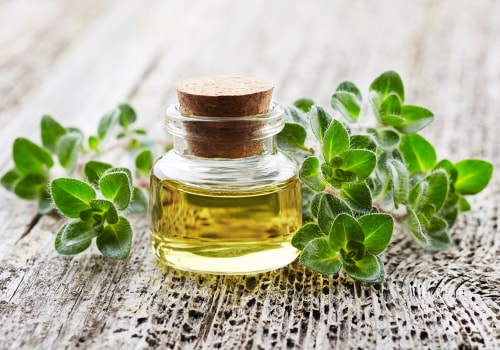
Oregano oil, derived from the leaves of the oregano plant (Origanum vulgare), has been celebrated for centuries not only as a culinary herb but also as a potent natural remedy. Its historical roots trace back to ancient Greece and Rome, where it was used for its medicinal properties and as a symbol of joy and happiness. Today, this essential oil is gaining traction in modern wellness circles, particularly as a natural antibiotic alternative. With increasing concerns over antibiotic resistance and the side effects of conventional medications, many are turning to oregano oil for its myriad health benefits. The primary active compounds in oregano oil, such as carvacrol and thymol, are responsible for its impressive antibacterial and antifungal properties.
These compounds have been shown to combat various pathogens, making oregano oil a valuable addition to any natural health toolkit. As research continues to unveil the potential of this essential oil, its applications extend beyond just fighting infections; it also offers antioxidant, anti-inflammatory, and digestive health benefits. As more individuals seek holistic approaches to health and wellness, the popularity of oregano oil is on the rise. From being used in aromatherapy to serving as a dietary supplement, its versatility makes it an appealing option for those looking to enhance their overall well-being. Whether you are interested in boosting your immune system or exploring natural remedies for common ailments, understanding the full spectrum of oregano oil benefits can empower you to make informed choices about your health.
What is Oregano Oil?
Oregano oil is a potent essential oil derived from the leaves of the oregano plant, scientifically known as Origanum vulgare.This aromatic herb is native to Europe, but it has gained popularity worldwide for its culinary and medicinal uses. The oil is extracted primarily from the leaves and flowering tops of the plant, which are rich in various bioactive compounds that contribute to its health benefits. The composition of oregano oil is what makes it particularly valuable. It contains a variety of phytochemicals, including:
- Carvacrol: This is one of the most significant components, known for its strong antibacterial properties. Carvacrol has been shown to inhibit the growth of various bacteria, making oregano oil a natural alternative to conventional antibiotics.
- Thymol: Another key compound, thymol possesses antifungal and antiseptic qualities.
It helps in preserving food and can also support immune function.
- Rosmarinic acid: This antioxidant compound contributes to the anti-inflammatory effects of oregano oil, helping to reduce oxidative stress in the body.
- Other compounds: Oregano oil also contains other beneficial compounds such as flavonoids and terpenes, which enhance its therapeutic properties.
From its rich history in traditional medicine to its modern applications in health and wellness, oregano oil stands out as a remarkable natural remedy that continues to gain recognition for its effectiveness.
The Health Benefits of Oregano Oil
Oregano oil is not just a flavorful addition to culinary dishes; it is also a powerhouse of health benefits that have been recognized for centuries. Among its most notable properties are its antibacterial and antifungal capabilities, which make it a valuable natural remedy for various health issues.Antibacterial Properties
Research has shown that oregano oil contains compounds such as carvacrol and thymol, which are responsible for its strong antibacterial effects. A study published in the Journal of Applied Microbiology found that oregano oil was effective against several strains of bacteria, including Escherichia coli and Staphylococcus aureus. These bacteria are known to cause foodborne illnesses and skin infections, respectively. The mechanism behind oregano oil's antibacterial action involves disrupting the cell membranes of bacteria, leading to their death.
This makes it a potential alternative to conventional antibiotics, especially in an era where antibiotic resistance is becoming a significant public health concern.
Antifungal Properties
In addition to its antibacterial benefits, oregano oil is also recognized for its antifungal properties. Studies have indicated that it can effectively combat fungal infections, particularly those caused by Candida albicans, a common yeast responsible for infections in humans. A study published in the Journal of Medicinal Food demonstrated that oregano oil exhibited potent antifungal activity against various strains of Candida.
The active compounds in oregano oil work by inhibiting the growth of fungi and disrupting their cellular processes. This makes oregano oil a promising option for individuals suffering from recurrent fungal infections or those looking for natural remedies to support their immune system.
Additional Health Benefits
- Antioxidant Effects: Oregano oil is rich in antioxidants, which help neutralize free radicals in the body, reducing oxidative stress and inflammation.
- Digestive Health: It may aid digestion by promoting the production of digestive enzymes and reducing bloating and gas.
- Respiratory Support: Oregano oil can help alleviate symptoms of respiratory conditions due to its anti-inflammatory properties.
With its proven antibacterial and antifungal properties, along with additional health advantages, oregano oil stands out as a versatile natural remedy worth considering for those seeking alternative approaches to health and wellness.
Oregano Oil as a Natural Antibiotic
In recent years, there has been a growing interest in the use of oregano oil as a natural antibiotic alternative. This essential oil, derived from the leaves of the oregano plant, is rich in compounds such as carvacrol and thymol, which are known for their potent antibacterial properties. Unlike traditional antibiotics that can lead to resistance and disrupt the body’s natural microbiome, oregano oil offers a more holistic approach to combating bacterial infections. One of the primary advantages of using oregano oil as a natural antibiotic is its broad-spectrum effectiveness. Research has shown that oregano oil can effectively target a variety of harmful bacteria, including Escherichia coli, Staphylococcus aureus, and Salmonella.These bacteria are often responsible for foodborne illnesses and other infections. In laboratory studies, oregano oil has demonstrated the ability to inhibit the growth of these pathogens, making it a promising alternative for those seeking natural remedies. When comparing oregano oil vs antibiotics, it is essential to consider not only their effectiveness but also their side effects. Traditional antibiotics can lead to adverse reactions such as gastrointestinal disturbances and allergic responses. In contrast, oregano oil is generally well-tolerated when used appropriately.
However, it is crucial to use it in moderation and consult with a healthcare professional before starting any new treatment regimen. Another significant benefit of oregano oil is its potential to support the immune system. By enhancing the body’s natural defenses, oregano oil may help prevent infections before they take hold. This preventive aspect is particularly valuable in an era where antibiotic resistance is becoming increasingly common. While more research is needed to fully understand the effectiveness of oregano oil as a natural antibiotic, preliminary studies suggest that it could serve as a valuable addition to our health toolkit. As we continue to explore alternatives to conventional antibiotics, oregano oil stands out as a promising option for those looking to harness the power of nature in their fight against bacterial infections.
How to Use Oregano Oil Safely
Using oregano oil can be a beneficial addition to your health regimen, but it is essential to approach it with caution.Here are some guidelines on how to use oregano oil safely, including recommended dosages and safety precautions.
Recommended Dosages
The appropriate dosage of oregano oil can vary based on the form in which it is taken. Here are some general recommendations:- Oregano Oil Capsules: Typically, 100 to 200 mg taken two to three times daily is considered safe for most adults.
- Liquid Oregano Oil: If using liquid oregano oil, a common dosage is 1 to 4 drops mixed with a carrier oil (like olive or coconut oil) taken one to three times daily.
- Topical Application: For skin issues, dilute oregano oil with a carrier oil at a ratio of 1:3 (one part oregano oil to three parts carrier oil) and apply it to the affected area.
Safety Precautions
While oregano oil is generally safe for most people when used correctly, there are several precautions to keep in mind:- Consult Your Doctor: Always consult with a healthcare professional before starting any new supplement, especially if you are pregnant, nursing, or have underlying health conditions.
- Avoid Overuse: Excessive use of oregano oil can lead to gastrointestinal upset, including nausea and diarrhea. Stick to recommended dosages.
- Skin Sensitivity: Oregano oil can cause skin irritation in some individuals. Conduct a patch test by applying a small amount of diluted oil on your skin and waiting 24 hours to see if any adverse reaction occurs.
- Drug Interactions: Oregano oil may interact with certain medications, including blood thinners and diabetes medications.
Discuss potential interactions with your healthcare provider.
Oregano Oil for Digestive Health
Maintaining a healthy digestive system is crucial for overall wellness, and oregano oil has emerged as a powerful ally in promoting digestive health. This essential oil, derived from the leaves of the oregano plant, is rich in compounds that can significantly benefit gut health. One of the primary benefits of oregano oil is its ability to combat intestinal parasites. These unwanted guests can wreak havoc on your digestive system, leading to symptoms such as bloating, gas, and abdominal pain.Oregano oil contains potent compounds like carvacrol and thymol, which have been shown to possess strong antiparasitic properties. Research indicates that these compounds can effectively disrupt the life cycle of various intestinal parasites, helping to eliminate them from the body. In addition to fighting parasites, oregano oil also plays a vital role in maintaining a balanced gut microbiome. A healthy gut is home to a diverse range of beneficial bacteria that aid in digestion and nutrient absorption. However, factors such as poor diet, stress, and antibiotic use can disrupt this balance, leading to an overgrowth of harmful bacteria.
Oregano oil can help restore this balance by inhibiting the growth of pathogenic bacteria while supporting the proliferation of beneficial strains. Moreover, oregano oil's anti-inflammatory properties contribute to digestive health by reducing inflammation in the gut lining. Chronic inflammation can lead to conditions such as irritable bowel syndrome (IBS) and inflammatory bowel disease (IBD). By incorporating oregano oil into your routine, you may help alleviate symptoms associated with these conditions. To harness the benefits of oregano oil for digestive health, it can be taken in various forms, including capsules or diluted in a carrier oil for topical application. However, it is essential to consult with a healthcare professional before starting any new supplement regimen, especially if you have existing health conditions or are taking medications. In summary, oregano oil offers numerous benefits for digestive health by combating intestinal parasites and promoting a balanced gut microbiome.
Its anti-inflammatory properties further enhance its role in supporting overall digestive wellness. Incorporating this natural remedy into your health routine may provide significant improvements in your digestive function and overall well-being.
Oregano Oil in Skin Care
Oregano oil is not only a powerful natural remedy for internal health but also offers remarkable benefits for skin care. Its unique composition, rich in compounds like carvacrol and thymol, provides various therapeutic properties that can enhance skin health.Antifungal Properties for Skin Care
One of the standout features of oregano oil is its potent antifungal properties. This makes it an excellent choice for treating various skin conditions caused by fungal infections, such as athlete's foot, ringworm, and yeast infections.The active compounds in oregano oil work by disrupting the cell membranes of fungi, effectively inhibiting their growth and promoting healing. To utilize oregano oil for antifungal purposes, it is essential to dilute it with a carrier oil, such as coconut or jojoba oil, to prevent skin irritation. A typical ratio is one part oregano oil to three parts carrier oil. Apply this mixture directly to the affected area using a cotton ball or clean fingertip, allowing it to absorb into the skin.
Acne Treatment with Oregano Oil
Acne is another common skin issue that can be effectively managed with oregano oil. Its antibacterial properties help combat the bacteria responsible for acne breakouts, while its anti-inflammatory effects can reduce redness and swelling associated with pimples.Additionally, oregano oil can help regulate sebum production, which is crucial in preventing clogged pores. For acne treatment, mix a few drops of oregano oil with a carrier oil and apply it to the affected areas once or twice daily. Alternatively, you can add a drop of oregano oil to your regular moisturizer or face cream for added benefits.
Additional Skin Benefits
Beyond its antifungal and acne-fighting capabilities, oregano oil also possesses antioxidant properties that can protect the skin from environmental stressors and premature aging. By neutralizing free radicals, oregano oil helps maintain skin elasticity and promotes a youthful appearance. Incorporating oregano oil into your skincare routine can be a game-changer. However, it is crucial to perform a patch test before widespread use to ensure there are no adverse reactions.With proper application and dilution, oregano oil can be a valuable addition to your natural skincare arsenal.
Potential Risks and Side Effects of Oregano Oil
While oregano oil is celebrated for its numerous health benefits, it is crucial to recognize that it also comes with potential risks and side effects. Understanding these factors can help users make informed decisions about incorporating this potent oil into their health regimen.Common Side Effects
Some individuals may experience mild to moderate side effects when using oregano oil. These can include:- Skin Irritation: When applied topically without dilution, oregano oil can cause skin irritation or allergic reactions. It is advisable to always dilute the oil with a carrier oil, such as coconut or olive oil, before applying it to the skin.
- Gastrointestinal Issues: Ingesting oregano oil may lead to digestive discomfort, including nausea, vomiting, or diarrhea.
Starting with small doses can help gauge tolerance.
- Headaches: Some users report experiencing headaches after using oregano oil, possibly due to its strong aroma or concentration.
Contraindications for Use
Certain groups of people should exercise caution or avoid using oregano oil altogether:- Pregnant and Nursing Women: Oregano oil may stimulate menstruation and could potentially lead to complications during pregnancy. It is best for pregnant or nursing women to consult a healthcare provider before use.
- Individuals with Allergies: Those who are allergic to plants in the Lamiaceae family (such as mint, basil, and sage) may also be allergic to oregano oil and should avoid it.
- People on Blood Thinners: Oregano oil has blood-thinning properties, which could enhance the effects of anticoagulant medications. Individuals on such medications should consult their doctor before using oregano oil.
Interactions with Medications
Oregano oil may interact with certain medications, including:- Anticoagulants: As mentioned earlier, the blood-thinning effect of oregano oil can interfere with medications like warfarin.
- Diabetes Medications: Oregano oil may lower blood sugar levels; therefore, those on diabetes medications should monitor their blood sugar closely when using it.
This ensures that you can safely enjoy the advantages of oregano oil while minimizing potential risks.
Research and Studies on Oregano Oil Benefits
Recent research has increasingly highlighted the numerous health benefits of oregano oil, showcasing its potential as a natural remedy. One of the most compelling areas of study focuses on its antibacterial properties. A study published in the Journal of Applied Microbiology found that oregano oil, particularly its active compound carvacrol, exhibited significant antibacterial activity against various strains of bacteria, including Escherichia coli and Staphylococcus aureus. This suggests that oregano oil could serve as an effective alternative to conventional antibiotics in certain cases. In addition to its antibacterial effects, oregano oil has also been studied for its antifungal properties.Research published in the International Journal of Food Microbiology demonstrated that oregano oil could inhibit the growth of fungi such as Candida albicans, which is known to cause infections in humans. This antifungal capability makes oregano oil a valuable option for those seeking natural treatments for fungal infections. Another area of interest is the oil's antioxidant properties. A study in the Journal of Medicinal Food indicated that oregano oil contains high levels of antioxidants, which can help combat oxidative stress in the body. Antioxidants are crucial for neutralizing free radicals, thereby reducing inflammation and lowering the risk of chronic diseases. The potential benefits of oregano oil extend to digestive health as well.
Research has shown that it may help eliminate harmful intestinal parasites and promote a balanced gut microbiome. A study published in the World Journal of Gastroenterology found that oregano oil could effectively reduce the presence of parasites in the gastrointestinal tract, supporting overall digestive health. While these studies provide promising evidence for the effectiveness of oregano oil, it is essential to approach its use with caution. The concentration and method of application can significantly impact its efficacy and safety. Therefore, consulting with a healthcare professional before incorporating oregano oil into your health regimen is advisable. In summary, ongoing research continues to validate the myriad benefits of oregano oil, from its antibacterial and antifungal properties to its role as a potent antioxidant.
As more studies emerge, we can expect a deeper understanding of how this natural remedy can be effectively utilized in promoting health and wellness.
Conclusion: Embracing Oregano Oil as a Natural Remedy
In conclusion, the myriad benefits of oregano oil make it a compelling addition to any natural health regimen. As we have explored throughout this article, oregano oil is not merely a culinary herb; it is a potent natural remedy with a rich history of medicinal use. Its primary active compound, carvacrol, has demonstrated significant antibacterial and antifungal properties, making it an effective alternative to conventional antibiotics. Moreover, oregano oil's antioxidant capabilities contribute to overall health by combating oxidative stress and inflammation in the body. This dual action not only supports the immune system but also promotes gut health by eliminating harmful bacteria and parasites that can disrupt digestive balance. As we face increasing antibiotic resistance globally, the search for safe and effective alternatives has never been more critical.Oregano oil stands out as a promising option, particularly for those seeking to enhance their wellness naturally. However, it is essential to approach its use with caution. Proper dilution and moderation are key to maximizing its benefits while minimizing potential side effects. Incorporating oregano oil into your daily routine can be as simple as adding it to meals, using it in aromatherapy, or taking it as a supplement. Regardless of the method, the potential health benefits are substantial.
As always, consulting with a healthcare professional before starting any new supplement is advisable, especially for individuals with pre-existing conditions or those who are pregnant or nursing. Ultimately, embracing oregano oil as part of a holistic approach to health can empower individuals to take charge of their well-being. By integrating this natural remedy into your lifestyle, you may find not only improved physical health but also a greater sense of vitality and balance in your life.