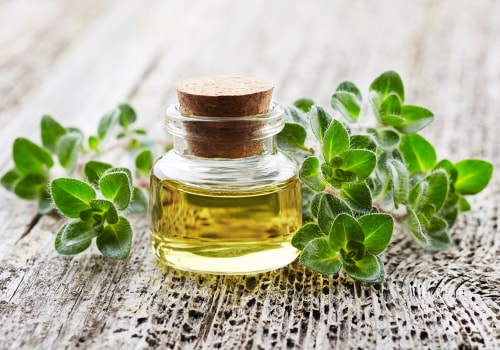
Unlocking the Healing Potential: The Power of Oregano Oil for Bacterial Infections
Discover the powerful benefits of oregano oil for treating bacterial infections and enhancing overall health. Learn how to use it safely.
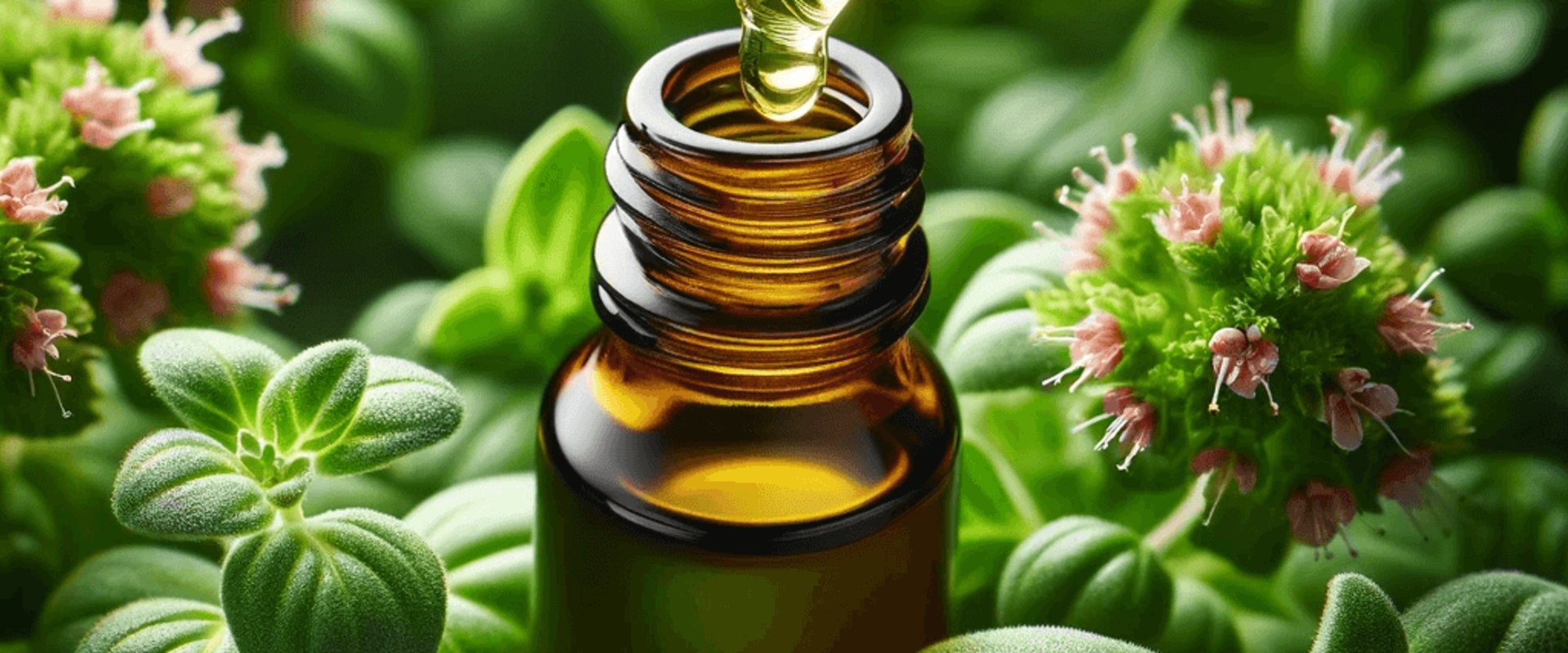
Oregano oil, derived from the leaves of the oregano plant (Origanum vulgare), has been celebrated for centuries not only as a culinary herb but also for its remarkable medicinal properties. This essential oil is rich in potent compounds, particularly carvacrol and thymol , which contribute to its effectiveness against various bacterial strains. The origins of oregano can be traced back to ancient Greece, where it was revered for its healing abilities and used in traditional medicine. Today, it continues to gain recognition in the realm of natural remedies, especially for its role in combating bacterial infections. The extraction of oregano oil typically involves steam distillation or cold pressing, methods that preserve the integrity of its beneficial compounds.
During steam distillation, steam passes through the plant material, causing the essential oils to evaporate and subsequently condense into a liquid form. This process ensures that the oil retains its therapeutic properties, making it a valuable addition to any natural health regimen. Cold pressing, on the other hand, involves mechanically pressing the leaves to extract the oil without heat, which can also help maintain its potency. The benefits of oregano oil extend far beyond its antibacterial properties. It is known for its antioxidant capabilities, which help protect cells from damage caused by free radicals.
Additionally, oregano oil has anti-inflammatory effects that can support overall health and wellness. As more people seek natural alternatives to conventional medicine, understanding the full spectrum of oregano oil benefits becomes increasingly important. From digestive support to immune system enhancement, this powerful oil offers a holistic approach to health that is both effective and accessible.
The Science Behind Oregano Oil's Antibacterial Properties
Oregano oil is renowned for its potent antibacterial properties, primarily attributed to its active compound, carvacrol. This phenolic compound is not only responsible for the oil's distinctive aroma but also plays a crucial role in its ability to combat various bacterial strains. Research has demonstrated that carvacrol disrupts the cell membranes of bacteria, leading to cell lysis and ultimately, bacterial death.This mechanism of action is particularly effective against a range of pathogens, including Escherichia coli and Salmonella, which are common culprits in foodborne illnesses. By compromising the integrity of bacterial cell walls, carvacrol effectively inhibits their growth and reproduction. In addition to carvacrol, oregano oil contains other beneficial compounds such as thymol, which also exhibits antibacterial effects. Together, these compounds create a synergistic effect that enhances the overall antimicrobial activity of oregano oil. Studies have shown that when used in combination, carvacrol and thymol can significantly reduce bacterial load in various settings, making oregano oil a valuable natural remedy. The effectiveness of oregano oil extends beyond just its antibacterial properties.
It has been found to possess antifungal and antiviral capabilities as well. This broad-spectrum activity makes it a versatile option for those seeking natural alternatives to conventional antibiotics. Moreover, the ability of oregano oil to combat antibiotic-resistant bacteria is particularly noteworthy. With the rise of multidrug-resistant strains, finding effective natural solutions is more critical than ever. Research indicates that carvacrol can inhibit the growth of these resistant bacteria, providing hope for new treatment avenues. In summary, the science behind oregano oil's antibacterial properties lies in its active compounds, particularly carvacrol and thymol.
Their ability to disrupt bacterial cell membranes and combat resistant strains underscores the potential of oregano oil as a powerful natural remedy for bacterial infections.
Common Bacterial Infections Treated with Oregano Oil
Oregano oil has gained recognition for its potential to combat various bacterial infections, making it a valuable addition to natural health remedies. Below are some common bacterial infections that can be effectively treated with oregano oil:- Staphylococcus aureus:Staphylococcus aureus: This bacterium is notorious for causing skin infections, respiratory issues, and foodborne illnesses. Oregano oil, rich in carvacrol, has demonstrated significant antibacterial activity against Staphylococcus aureus, including strains that are resistant to multiple drugs. This makes oregano oil a promising option for those seeking alternative treatments for infections caused by this pathogen.
-
Escherichia coli (E.
coli):
Often associated with foodborne illnesses, certain strains of E. coli can lead to severe gastrointestinal distress. Research indicates that oregano oil can inhibit the growth of E. coli, potentially reducing the risk of infection from contaminated food sources. -
Salmonella: Another common cause of food poisoning, Salmonella can result in symptoms such as diarrhea, fever, and abdominal cramps.
Oregano oil's antimicrobial properties may help in managing and preventing Salmonella infections, particularly when used as a preventive measure in food preparation.
- Campylobacter: This bacterium is one of the leading causes of bacterial gastroenteritis worldwide. Studies suggest that oregano oil can effectively reduce the viability of Campylobacter in contaminated foods, making it a useful tool for enhancing food safety.
- Helicobacter pylori: Known for its role in peptic ulcers and gastric cancer, Helicobacter pylori is a challenging bacterium to eradicate. Some studies have shown that oregano oil may help inhibit the growth of H. pylori, offering a complementary approach to traditional treatments.
However, it is essential to consult with a healthcare professional before using oregano oil as a treatment option, especially for serious infections or if you are pregnant or nursing.
How to Use Oregano Oil Safely and Effectively
Incorporating oregano oil into your health regimen can be beneficial, but it is essential to use it safely and effectively. Here are some practical guidelines on how to use oregano oil, including dosage recommendations and safety precautions.How to Use Oregano Oil
Oregano oil can be used in various ways, depending on your needs:- Topical Application: For skin infections or irritations, dilute oregano oil with a carrier oil such as coconut or olive oil. A common ratio is 1-2 drops of oregano oil per teaspoon of carrier oil. Apply this mixture directly to the affected area.
-
Ingestion: Oregano oil can be taken orally in capsule form or diluted in water.
If using liquid oregano oil, start with 1-2 drops mixed in a glass of water or juice. Gradually increase the dosage as tolerated, but do not exceed 5 drops per day without consulting a healthcare professional.
- Aromatherapy: Diffusing oregano oil can help purify the air and may provide respiratory benefits. Add a few drops to your diffuser and enjoy the aromatic properties.
Oregano Oil Dosage
The appropriate dosage of oregano oil can vary based on individual health needs and the specific condition being treated. Here are some general guidelines:- For general health: 1-2 drops of oregano oil diluted in water or taken in capsule form once daily.
- For bacterial infections: Up to 5 drops per day, divided into two or three doses, but always consult with a healthcare provider for personalized advice.
- For topical use: Always dilute with a carrier oil before applying to the skin.
Safety Precautions for Oregano Oil
While oregano oil is generally safe for most people when used correctly, there are some important safety precautions to consider:- Allergies: If you have allergies to plants in the Lamiaceae family (such as basil, mint, or sage), you should avoid using oregano oil.
- Pregnancy and Breastfeeding: Pregnant or breastfeeding women should consult their healthcare provider before using oregano oil.
-
Medication Interactions: Oregano oil may interact with certain medications, including blood thinners and diabetes medications.
Always discuss with your doctor if you are taking other medications.
- Sensitivity Testing: Before using oregano oil topically, perform a patch test by applying a small amount of diluted oil to a discreet area of skin to check for any adverse reactions.
Potential Side Effects and Considerations
While the benefits of oregano oil are numerous, it is crucial to be aware of potential side effects and who should exercise caution when considering its use. Understanding these factors can help ensure safe and effective application.Potential Side Effects
- Gastrointestinal Issues: Some individuals may experience digestive discomfort, including nausea, vomiting, or diarrhea, particularly when consuming oregano oil in large amounts.
- Allergic Reactions: Although rare, allergic reactions can occur. Symptoms may include skin rashes, itching, or swelling. If any of these symptoms arise after using oregano oil, it is advisable to discontinue use and consult a healthcare professional.
-
Skin Irritation: When applied topically, oregano oil can cause skin irritation or a burning sensation in some people.
It is recommended to dilute oregano oil with a carrier oil, such as coconut or olive oil, before applying it to the skin.
- Hormonal Effects: Oregano oil may have hormonal effects due to its phytoestrogen content. This could potentially interfere with hormone-sensitive conditions.
Who Should Avoid Oregano Oil?
- Pregnant and Nursing Women: Pregnant women should avoid using oregano oil as it may stimulate menstruation or affect fetal development. Nursing mothers should also consult a healthcare provider before use.
- Individuals with Allergies: Those with known allergies to plants in the Lamiaceae family (which includes mint, basil, and sage) should avoid oregano oil to prevent allergic reactions.
- People with Gastrointestinal Disorders: Individuals suffering from conditions like acid reflux, ulcers, or irritable bowel syndrome (IBS) may find that oregano oil exacerbates their symptoms.
- Those on Blood Thinners: Oregano oil may have anticoagulant properties. Therefore, individuals taking blood-thinning medications should consult their healthcare provider before using it.
Contraindications of Oregano Oil
It is essential to consider any existing health conditions or medications that might interact negatively with oregano oil.
Always consult a healthcare professional before starting any new supplement or treatment regimen, especially if you have underlying health issues or are taking prescription medications. In summary, while oregano oil offers various health benefits, being informed about its potential side effects and contraindications is vital for safe usage. Always prioritize safety by consulting with a healthcare provider when in doubt.
Research Studies Supporting Oregano Oil's Efficacy
Numerous research studies have been conducted to explore the antibacterial effects of oregano oil, providing compelling evidence for its efficacy in combating various bacterial infections. One notable study published in the Journal of Applied Microbiology demonstrated that oregano oil, particularly its active compound carvacrol, exhibited significant antibacterial activity against a range of pathogens, including Escherichia coli and Salmonella enterica. The researchers found that even low concentrations of oregano oil could inhibit the growth of these bacteria, suggesting its potential as a natural preservative in food products. Another pivotal study published in the International Journal of Food Microbiology highlighted the effectiveness of oregano oil against Staphylococcus aureus , a common cause of foodborne illnesses.The findings indicated that oregano oil not only reduced bacterial counts but also disrupted biofilm formation, which is crucial for bacterial survival and resistance. This disruption is particularly important in clinical settings where biofilms can lead to persistent infections. A systematic review in the Journal of Medicinal Food compiled data from multiple studies and concluded that oregano oil possesses broad-spectrum antibacterial properties. The review emphasized that carvacrol and thymol, two primary components of oregano oil, are responsible for its antimicrobial effects. These compounds work by damaging bacterial cell membranes, leading to cell death. Furthermore, a study conducted on patients with respiratory infections found that those who used oregano oil experienced a significant reduction in symptoms compared to those who did not.
This suggests that oregano oil may not only be effective against bacteria but also beneficial for overall health. In summary, the scientific evidence supporting the use of oregano oil for its antibacterial properties is robust. From inhibiting bacterial growth to disrupting biofilms, oregano oil demonstrates significant potential as a natural remedy for bacterial infections. As research continues to unfold, it is clear that the benefits of oregano oil extend beyond culinary uses, positioning it as a valuable tool in modern medicine.
Frequently Asked Questions About Oregano Oil
As the popularity of oregano oil continues to rise, many individuals have questions regarding its safety and efficacy. Below are some frequently asked questions that can help clarify common concerns about using oregano oil.Is oregano oil safe for children?
The use of oregano oil in children is a topic that requires careful consideration.While oregano oil is known for its numerous health benefits, it is generally recommended that children avoid using it unless specifically advised by a pediatrician. This caution is due to the potency of the oil and the potential for adverse reactions. If a healthcare provider does recommend oregano oil for a child, it is crucial to follow their guidance on dosage and application.
Can you take oregano oil daily?
Many people wonder if it is safe to incorporate oregano oil into their daily routine. The answer largely depends on individual health conditions and the form of oregano oil being used.For adults, taking oregano oil in moderation can be beneficial, as it may support immune function and overall health. However, it is essential to consult with a healthcare professional before starting any new supplement regimen, especially if you have underlying health issues or are taking other medications. Some experts suggest starting with a lower dose and gradually increasing it to assess tolerance.
How long does it take for oregano oil to work?
The time it takes for oregano oil to show effects can vary based on several factors, including the individual's health status, the specific condition being treated, and the form of oregano oil used (e.g., capsules, liquid extract). Generally, some users report feeling improvements within a few days of consistent use, particularly for digestive issues or minor infections.However, for more significant health concerns, it may take longer to notice substantial benefits. Consistency in usage is key; therefore, maintaining a regular intake as advised can enhance its effectiveness. In summary, while oregano oil offers numerous potential benefits, it is essential to approach its use with caution, especially in children and when considering daily consumption. Always consult with a healthcare provider for personalized advice tailored to your specific needs.
Conclusion: Embracing Oregano Oil as a Natural Remedy
In conclusion, the remarkable benefits of oregano oil as a natural remedy for bacterial infections cannot be overstated. This potent essential oil, rich in compounds like carvacrol and thymol, has demonstrated significant antibacterial properties against a variety of pathogens, including those that are resistant to conventional antibiotics.As we have explored, oregano oil not only targets harmful bacteria but also supports overall health through its antioxidant and anti-inflammatory effects. Moreover, the versatility of oregano oil extends beyond its antibacterial capabilities. It has been traditionally used to alleviate digestive issues and may even play a role in enhancing immune function. The ability to combat biofilms formed by bacteria further underscores its potential as a valuable tool in infection management. However, it is crucial for individuals considering the use of oregano oil to approach it with informed caution. Here are some key points to keep in mind:
- Quality Matters: Always choose high-quality oregano oil from reputable sources to ensure purity and efficacy.
- Consultation: Speak with a healthcare professional before starting any new treatment, especially if you have underlying health conditions or are pregnant.
- Dosage Awareness: Be mindful of the concentration and dosage, as excessive use can lead to adverse effects.
- Children's Use: Oregano oil is generally not recommended for children unless advised by a pediatrician.
As research continues to unveil the full spectrum of its therapeutic properties, oregano oil stands out as a promising ally in the fight against bacterial infections and a valuable addition to holistic health strategies.