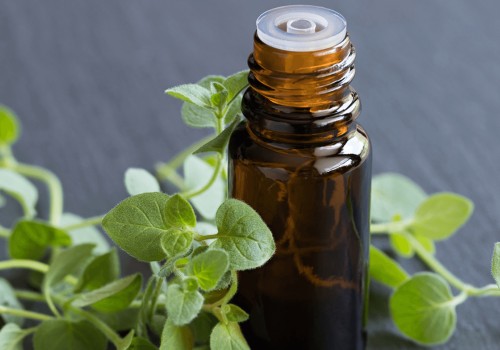
The Power of Oregano Oil: Exploring Its Benefits as a Natural Remedy for Bacterial Infections
Discover the powerful benefits of oregano oil as a natural remedy for bacterial infections, including its antimicrobial and antioxidant properties.

Oregano oil, derived from the leaves of the oregano plant (Origanum vulgare), has been celebrated for centuries not only for its culinary uses but also for its remarkable medicinal properties. This potent oil is rich in compounds such as carvacrol and thymol, which are known for their antimicrobial and antioxidant effects. Historically, oregano was used by ancient Greeks and Romans, who recognized its ability to promote health and well-being. They employed it in various forms, from infusions to poultices, to treat ailments ranging from respiratory issues to digestive disorders. As a natural remedy, oregano oil has gained significant attention in modern herbal medicine.
Its benefits extend beyond mere flavor enhancement in dishes; it serves as a powerful ally against bacterial infections. The oil's historical significance is rooted in its traditional applications, where it was often utilized to ward off illnesses and enhance overall vitality. This rich legacy sets the stage for understanding how oregano oil can be effectively harnessed in contemporary health practices. In recent years, scientific research has begun to validate many of the claims made about oregano oil's health benefits. Studies have shown that its antimicrobial properties can combat a variety of pathogens, making it a valuable tool in the fight against bacterial infections. Its benefits extend beyond mere flavor enhancement in dishes; it serves as a powerful ally against bacterial infections. The oil's historical significance is rooted in its traditional applications, where it was often utilized to ward off illnesses and enhance overall vitality. This rich legacy sets the stage for understanding how oregano oil can be effectively harnessed in contemporary health practices. In recent years, scientific research has begun to validate many of the claims made about oregano oil's health benefits. Studies have shown that its antimicrobial properties can combat a variety of pathogens, making it a valuable tool in the fight against bacterial infections.
As we delve deeper into the benefits of oregano oil, it becomes clear that this ancient remedy holds promise for modern health challenges, particularly in an era where antibiotic resistance is a growing concern. By exploring the multifaceted uses of oregano oil, we can appreciate its role not only as a culinary herb but also as a potent natural remedy. Whether used topically or ingested, oregano oil offers a wealth of benefits that can support our immune system and overall health. As we continue to uncover the potential of this remarkable oil, it is essential to recognize its historical roots and the wisdom of those who first harnessed its power.
Understanding Oregano Oil: Composition and Properties
Oregano oil is derived from the leaves of the oregano plant, scientifically known as Origanum vulgare. This essential oil is celebrated not only for its culinary uses but also for its remarkable therapeutic properties.The effectiveness of oregano oil as a natural remedy can be attributed to its rich chemical composition, which includes a variety of bioactive compounds. One of the most significant components of oregano oil is carvacrol , a monoterpenoid phenol that accounts for a substantial portion of the oil's composition. Carvacrol is renowned for its potent antimicrobial properties, making it a key player in combating bacterial infections. Research has shown that carvacrol can disrupt the cell membranes of bacteria, leading to cell death. This mechanism of action is particularly effective against a range of pathogens, including Staphylococcus aureus and Pseudomonas aeruginosa. In addition to carvacrol, oregano oil contains other important compounds such as thymol, p-cymene, and beta-caryophyllene.
Each of these compounds contributes to the overall efficacy of oregano oil:
- Thymol: Similar to carvacrol, thymol exhibits strong antimicrobial and antifungal properties. It enhances the immune response and helps in reducing inflammation.
- p-Cymene: This compound has antioxidant properties that help protect cells from oxidative stress and may also support respiratory health.
- Beta-caryophyllene: Known for its anti-inflammatory effects, this compound may also play a role in pain relief and has potential therapeutic applications in managing chronic conditions.
Therefore, opting for organic and pure oregano oil ensures that you receive the maximum benefits from this remarkable natural remedy.
Antimicrobial Properties of Oregano Oil
Oregano oil is renowned for its remarkable antimicrobial properties, making it a potent natural remedy against various bacterial infections. The primary active compound in oregano oil, carvacrol , has been extensively studied for its ability to inhibit the growth of harmful bacteria. Research indicates that carvacrol disrupts the cell membranes of bacteria, leading to cell death and effectively reducing bacterial load. One significant study published in the journal Frontiers in Microbiology demonstrated that oregano oil could effectively combat a range of bacterial strains, including Staphylococcus aureus and Pseudomonas aeruginosa. These bacteria are notorious for causing serious infections, particularly in hospital settings.The study found that oregano oil exhibited a higher minimum inhibitory concentration (MIC) against these pathogens compared to many conventional antibiotics, highlighting its potential as an alternative treatment. Moreover, oregano oil has shown efficacy against biofilms, which are clusters of bacteria that adhere to surfaces and are often resistant to standard treatments. Biofilms can form on medical devices or within the body, complicating infections and making them harder to treat. Research has indicated that oregano oil can penetrate these biofilms and kill the bacteria within, offering a promising solution for chronic infections. In another study focusing on urinary tract infections (UTIs), oregano oil was found to significantly reduce the growth of Escherichia coli , a common culprit behind these infections. The results suggested that incorporating oregano oil into treatment regimens could enhance recovery rates and reduce reliance on antibiotics. The antimicrobial effects of oregano oil extend beyond just bacterial infections; it also possesses antifungal and antiviral properties.
This broad-spectrum activity makes it a versatile addition to natural health practices. However, while the evidence supporting the use of oregano oil is compelling, it is essential to consult with healthcare professionals before using it as a treatment option. In summary, the antimicrobial properties of oregano oil are well-supported by scientific studies, showcasing its ability to combat various bacterial strains effectively. As research continues to unfold, oregano oil may become an increasingly valuable tool in managing bacterial infections and promoting overall health.
How Oregano Oil Works Against Bacterial Infections
Oregano oil is renowned for its potent antibacterial properties, primarily attributed to its active compound, carvacrol. This phenolic compound plays a crucial role in how oregano oil combats bacterial infections.Understanding the mechanisms through which oregano oil operates can shed light on its effectiveness as a natural remedy. One of the primary ways oregano oil fights bacteria is by disrupting the integrity of bacterial cell walls. The cell wall is essential for maintaining the structural integrity of bacteria, and when compromised, it can lead to cell lysis and death. Carvacrol interacts with the lipid bilayer of the bacterial cell membrane, increasing its permeability. This alteration allows essential cellular components to leak out, ultimately leading to the death of the bacterial cell. Moreover, oregano oil has been shown to affect the intracellular structures of bacteria.
Research indicates that exposure to oregano oil can cause significant damage to bacterial membranes and disrupt vital cellular functions. This disruption not only kills existing bacteria but also inhibits their ability to reproduce and form colonies.
Impact on Biofilms
Another significant aspect of oregano oil's antibacterial action is its effectiveness against biofilms. Biofilms are complex communities of bacteria that adhere to surfaces and are encased in a protective matrix. These structures are notoriously resistant to conventional antibiotics, making infections difficult to treat.Oregano oil has demonstrated the ability to penetrate these biofilms, effectively reducing bacterial load and preventing further growth. In laboratory studies, oregano oil has been found to be as effective against biofilms as it is against free-floating bacterial cells. This characteristic is particularly important in clinical settings where biofilm-associated infections are common, such as in chronic wounds or implanted medical devices.
Bacterial Resistance
The rise of antibiotic resistance poses a significant challenge in modern medicine. Many bacteria have developed mechanisms to evade the effects of traditional antibiotics, leading researchers to explore alternative treatments like oregano oil. Studies suggest that carvacrol may help overcome some forms of bacterial resistance by targeting multiple pathways within bacterial cells. By attacking both the cell wall and intracellular components, oregano oil reduces the likelihood that bacteria will develop resistance compared to single-target antibiotics.This multifaceted approach makes oregano oil a promising candidate in the fight against resistant bacterial strains. In conclusion, the mechanisms through which oregano oil exerts its antibacterial effects are multifaceted and powerful. From disrupting cell walls and membranes to effectively combating biofilms and addressing antibiotic resistance, oregano oil stands out as a valuable natural remedy for bacterial infections.
Health Benefits Beyond Antimicrobial Effects
While the antimicrobial properties of oregano oil are widely recognized, its health benefits extend far beyond just fighting bacteria. This potent oil is also celebrated for its antioxidant and anti-inflammatory effects, which contribute significantly to overall wellness.Antioxidant Properties
Oregano oil is rich in antioxidants, compounds that help neutralize free radicals in the body. Free radicals are unstable molecules that can cause oxidative stress, leading to cellular damage and various chronic diseases.
By incorporating oregano oil into your health regimen, you can bolster your body's defenses against oxidative stress. Studies have shown that the antioxidant capacity of oregano oil is comparable to that of other well-known sources, such as rosemary and thyme. Some key antioxidants found in oregano oil include:
- Carvacrol: This compound not only contributes to the oil's antimicrobial properties but also exhibits strong antioxidant activity.
- Thymol: Known for its ability to protect cells from oxidative damage, thymol enhances the overall antioxidant profile of oregano oil.
- Rosmarinic acid: This powerful antioxidant has been linked to anti-inflammatory effects and may help reduce the risk of chronic diseases.
Anti-Inflammatory Effects
In addition to its antioxidant benefits, oregano oil possesses remarkable anti-inflammatory properties. Chronic inflammation is a contributing factor to numerous health issues, including heart disease, diabetes, and arthritis. The compounds in oregano oil can help mitigate inflammation by inhibiting the production of pro-inflammatory cytokines and enzymes. Research indicates that regular use of oregano oil may:
- Reduce symptoms associated with inflammatory conditions such as arthritis and asthma.
- Support digestive health by alleviating inflammation in the gut.
- Enhance recovery from exercise-induced inflammation and muscle soreness.
However, it’s essential to consult with a healthcare provider before starting any new supplement regimen, especially if you have existing health conditions or are taking medications. In summary, the health benefits of oregano oil extend well beyond its antimicrobial effects. Its potent antioxidant and anti-inflammatory properties make it a valuable addition to any wellness strategy, promoting not only better immune function but also overall health and vitality.
Practical Uses of Oregano Oil in Daily Life
Incorporating oregano oil into your daily routine can be a simple yet effective way to harness its numerous health benefits. Here are some practical applications and dosage recommendations to help you get started.How to Use Oregano Oil
Oregano oil can be used in various forms, including capsules, liquid extracts, and topical applications. Here are some common methods:-
Oral Consumption: Oregano oil capsules are a convenient option for those who prefer not to taste the oil.
A typical dosage ranges from 100 to 200 mg, taken one to three times daily, depending on individual health needs. Always consult with a healthcare provider before starting any new supplement regimen.
- Liquid Form: If you choose to use liquid oregano oil, it can be diluted in water or juice. A common recommendation is to mix 1-2 drops of oregano oil in a glass of water and consume it once or twice daily. This method allows for easy absorption while minimizing the strong flavor.
-
Topical Application: For skin issues or localized infections, oregano oil can be applied topically.
It is crucial to dilute the oil with a carrier oil, such as coconut or olive oil, to prevent skin irritation. A good ratio is one drop of oregano oil mixed with a teaspoon of carrier oil. Apply this mixture directly to the affected area.
Dosage Recommendations
The appropriate dosage of oregano oil can vary based on the form used and the specific health issue being addressed. Here are some general guidelines:- For Immune Support: Taking 200 mg of oregano oil capsules daily may help boost your immune system.
- For Digestive Health: A dose of 100 mg taken before meals can aid digestion and combat gastrointestinal issues.
- For Skin Conditions: When using topically, apply the diluted mixture once or twice daily until symptoms improve.
If you experience any adverse effects, discontinue use and consult a healthcare professional. By understanding how to effectively use oregano oil in your daily life, you can take advantage of its powerful properties while ensuring safe and beneficial application.
Safety and Precautions When Using Oregano Oil
While oregano oil is celebrated for its numerous health benefits, it is essential to approach its use with caution. Understanding the safety and potential side effects associated with oregano oil can help ensure a positive experience.Potential Side Effects
- Gastrointestinal Issues: Some individuals may experience digestive discomfort, including nausea, vomiting, or diarrhea when consuming oregano oil. It is advisable to start with a small dose to assess tolerance.
-
Allergic Reactions: Although rare, allergic reactions can occur. Symptoms may include skin rashes, itching, or swelling.
If any of these symptoms arise, discontinue use immediately and consult a healthcare professional.
- Skin Irritation: When applied topically, oregano oil should always be diluted with a carrier oil (such as coconut or olive oil) to prevent skin irritation. Undiluted oregano oil can cause burning sensations or redness.
Contraindications
- Pregnancy and Breastfeeding: Pregnant or breastfeeding women should avoid using oregano oil due to its potential effects on hormone levels and uterine contractions.
- Blood Disorders: Individuals with bleeding disorders or those taking anticoagulant medications should exercise caution, as oregano oil may increase the risk of bleeding.
- Surgery: It is recommended to stop using oregano oil at least two weeks before any scheduled surgery due to its blood-thinning properties.
Consultation with Healthcare Providers
Before incorporating oregano oil into your health regimen, especially if you have pre-existing health conditions or are taking medications, it is crucial to consult with a healthcare provider. They can provide personalized advice based on your health history and current medications. In summary, while the benefits of oregano oil are significant, being aware of its potential side effects and contraindications is vital for safe usage. By taking these precautions, you can enjoy the therapeutic properties of oregano oil while minimizing risks.
Frequently Asked Questions About Oregano Oil Benefits
Oregano oil has gained popularity as a natural remedy, but many people still have questions about its benefits and usage.Here are some of the most frequently asked questions regarding oregano oil benefits.
What are the primary benefits of oregano oil?
Oregano oil is renowned for its potent antimicrobial properties, primarily due to its high concentration of carvacrol. This compound has been shown to effectively combat various bacterial strains, making oregano oil a valuable ally in fighting infections. Additionally, oregano oil possesses antioxidant and anti-inflammatory properties, which can help reduce oxidative stress and inflammation in the body.How can I use oregano oil?
There are several ways to incorporate oregano oil into your routine:- Topical application: Dilute a few drops of oregano oil with a carrier oil, such as coconut or olive oil, and apply it to the affected area to help with skin infections or irritations.
- Ingestion: Oregano oil can be taken in capsule form or added to food. However, it’s essential to consult with a healthcare provider for appropriate dosages.
- Aromatherapy: Using a diffuser with oregano oil can help purify the air and may provide respiratory benefits.
Is oregano oil safe for everyone?
While oregano oil is generally safe for most people when used appropriately, it may cause allergic reactions in some individuals.Pregnant or breastfeeding women should consult their healthcare provider before using oregano oil. Additionally, those with certain medical conditions or who are taking specific medications should seek professional advice.
Can oregano oil replace antibiotics?
Oregano oil has shown promise in fighting bacterial infections; however, it should not be considered a direct replacement for antibiotics prescribed by a healthcare professional. It can be used as a complementary treatment but always under medical supervision. In summary, oregano oil offers numerous health benefits, particularly in combating bacterial infections. By understanding how to use it safely and effectively, you can harness its potential as a natural remedy.Conclusion: The Value of Oregano Oil in Natural Health Care
In summary, the remarkable benefits of oregano oil position it as a powerful ally in the realm of natural health care, particularly when it comes to combating bacterial infections.Throughout this article, we have explored the multifaceted properties of oregano oil, highlighting its potent antimicrobial effects, which are primarily attributed to its active compound, carvacrol. This compound not only exhibits strong antibacterial activity but also demonstrates antioxidant and anti-inflammatory properties that contribute to overall health. One of the most compelling aspects of oregano oil is its ability to effectively target a wide range of bacterial strains. Research has shown that it can significantly reduce bacterial load in infected wounds and even combat biofilms, which are notoriously difficult to treat with conventional antibiotics. This makes oregano oil a valuable option for those seeking natural remedies for persistent infections. Moreover, the versatility of oregano oil allows for various methods of application.
Whether consumed in capsule form or used topically when diluted with a carrier oil, it offers an accessible way to incorporate this potent remedy into daily health routines. However, it is essential to consult with a healthcare provider before starting any new supplement regimen to ensure safe and effective use. As we continue to seek natural alternatives in our health care practices, oregano oil stands out as a promising option. Its rich history in traditional medicine combined with modern scientific validation underscores its potential as a natural remedy for bacterial infections. By considering oregano oil as part of a holistic approach to health, individuals can harness its benefits while minimizing reliance on synthetic medications. In conclusion, embracing the power of oregano oil not only supports our immune system but also aligns with a growing trend towards natural health solutions.
As more research emerges, we can expect to uncover even greater insights into how this remarkable oil can enhance our well-being and provide effective support against bacterial challenges.