The Healing Power of Oregano Oil: Exploring Its Benefits as a Natural Antibiotic
Discover the healing power of oregano oil and its benefits as a natural antibiotic for overall health and wellness.

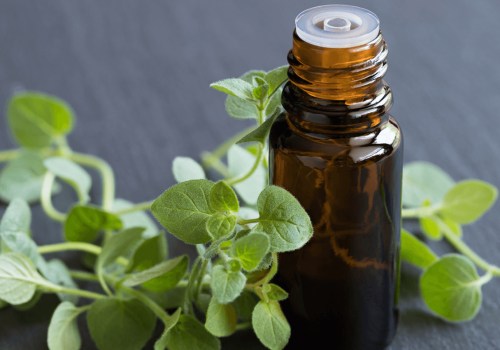
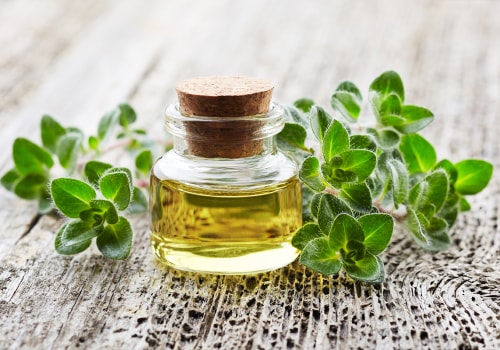
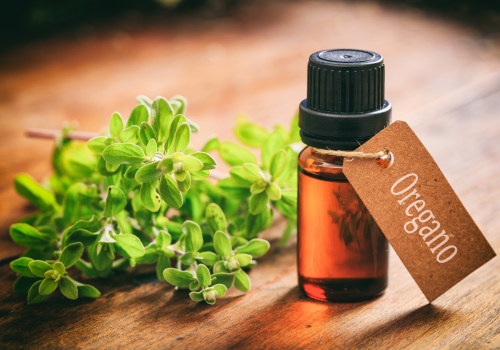
Oregano oil, derived from the leaves of the oregano plant (Origanum vulgare), has a rich history that dates back thousands of years. This potent oil has been revered not only for its culinary uses but also for its remarkable health benefits. Ancient civilizations, including the Greeks and Romans, utilized oregano for its medicinal properties, often incorporating it into their herbal remedies to treat various ailments. The name "oregano" itself is derived from the Greek words "oros" (mountain) and "ganos" (joy), reflecting the plant's natural habitat and the joy it brought to those who used it. Throughout history, oregano oil has been recognized for its ability to combat infections and promote overall wellness.
Traditional herbalists often recommended it for respiratory issues, digestive problems, and even skin conditions. Its use as a natural remedy has persisted into modern times, where it is celebrated for its antimicrobial and antioxidant properties. The active compound in oregano oil, carvacrol , is particularly noted for its effectiveness against harmful bacteria and fungi, making it a valuable addition to any natural health regimen. In today’s world, where there is a growing interest in holistic health and natural alternatives to pharmaceuticals, the benefits of oregano oil are being rediscovered. From supporting gut health to enhancing immune function, this essential oil offers a plethora of advantages that align with contemporary wellness practices.
As we delve deeper into the various applications of oregano oil, it becomes clear that this ancient remedy holds significant relevance in our quest for natural health solutions.
What is Oregano Oil?
Oregano oil is a potent essential oil derived from the leaves and flowers of the oregano plant, scientifically known as Origanum vulgare. This aromatic herb, native to Europe, has been celebrated for its culinary uses and medicinal properties for centuries. The oil is extracted primarily through a process called steam distillation, where steam is passed through the plant material, causing the essential oils to evaporate. The steam is then cooled, allowing the oil to condense and separate from the water, resulting in a concentrated liquid rich in beneficial compounds. The composition of oregano oil is complex and varies depending on factors such as the plant's growing conditions and the extraction method used.However, two key compounds stand out due to their significant health benefits: carvacrol and thymol. Carvacrol is known for its strong antimicrobial properties, making it effective against various bacteria and fungi. Studies have shown that carvacrol can disrupt the cell membranes of harmful microorganisms, leading to their destruction. This makes oregano oil a valuable natural alternative to conventional antibiotics. Thymol, another important component of oregano oil, also exhibits antimicrobial effects and contributes to the oil's overall therapeutic profile.
It has been shown to possess antioxidant properties, helping to neutralize free radicals that can cause cellular damage. Together, carvacrol and thymol create a synergistic effect that enhances the oil's ability to promote health and well-being. In addition to these primary compounds, oregano oil contains various other constituents such as flavonoids, terpenes, and phenolic acids. These compounds work together to provide a range of health benefits, including anti-inflammatory effects and support for digestive health. The unique chemical composition of oregano oil not only contributes to its effectiveness as a natural remedy but also underscores its importance in holistic health practices. Understanding what oregano oil is and its chemical makeup is crucial for appreciating its myriad oregano oil benefits.
As research continues to uncover the potential of this remarkable essential oil, it remains a staple in both traditional and modern herbal medicine.
The Health Benefits of Oregano Oil
Oregano oil is not just a flavorful addition to your culinary repertoire; it is also a powerhouse of health benefits that have been recognized for centuries. This essential oil, derived from the leaves of the oregano plant, is packed with medicinal properties that make it a natural antibiotic and a valuable ally in promoting overall health. One of the most significant health benefits of oregano oil lies in its potent antibacterial properties. Research has shown that oregano oil can effectively combat various strains of bacteria, including Staphylococcus aureus and Escherichia coli. A study published in the journal Microbial Pathogenesis found that carvacrol, a key compound in oregano oil, exhibited strong antibacterial activity, making it comparable to traditional antibiotics in some cases.This makes oregano oil an excellent natural alternative for those seeking to avoid pharmaceutical antibiotics. In addition to its antibacterial effects, oregano oil also possesses remarkable antifungal properties. It has been shown to be effective against common fungal infections, including those caused by Candida albicans, which is responsible for yeast infections. A study in the journal Journal of Applied Microbiology demonstrated that oregano oil could inhibit the growth of this yeast, providing a natural remedy for those suffering from fungal infections. The antioxidant properties of oregano oil further enhance its health benefits. Antioxidants are crucial for neutralizing free radicals in the body, which can lead to cellular damage and contribute to chronic diseases such as cancer and heart disease.
Oregano oil is rich in antioxidants like thymol and rosmarinic acid, which help protect cells from oxidative stress. A study published in Food Chemistry highlighted the high antioxidant capacity of oregano oil compared to other herbs, underscoring its potential role in disease prevention. Moreover, oregano oil can support digestive health by promoting a balanced gut microbiome. It has been shown to help eliminate harmful bacteria and parasites in the intestines, thereby improving overall gut function. This is particularly beneficial for individuals suffering from digestive disorders or those looking to enhance their gut health. In summary, the medicinal properties of oregano oil extend far beyond its culinary uses.
With its antibacterial, antifungal, and antioxidant capabilities, this natural remedy offers a multitude of health benefits that can support your well-being. As research continues to uncover the full potential of oregano oil, it remains a valuable addition to any natural health regimen.
Oregano Oil as a Natural Antibiotic
Oregano oil has gained recognition for its remarkable antibiotic properties , making it a compelling alternative to conventional antibiotics. This essential oil, derived from the leaves of the oregano plant, contains a potent compound known as carvacrol, which is primarily responsible for its antibacterial effects. Research indicates that carvacrol can effectively combat a variety of harmful bacteria, including Staphylococcus aureus , Escherichia coli , and Pseudomonas aeruginosa.These bacteria are notorious for causing infections that can lead to serious health complications. One of the most significant advantages of using oregano oil as a natural antibiotic is its ability to target bacteria without contributing to antibiotic resistance, a growing concern in modern medicine. Unlike traditional antibiotics that can disrupt the balance of good bacteria in the gut, oregano oil works by selectively inhibiting the growth of harmful pathogens while preserving beneficial microorganisms. This selective action not only helps maintain gut health but also enhances overall immune function. In a comparative analysis, studies have shown that oregano oil exhibits antibacterial activity comparable to some conventional antibiotics. For instance, a study published in the journal Food Control demonstrated that oregano oil was effective against various strains of bacteria, often outperforming synthetic antibiotics in terms of potency.
This finding suggests that oregano oil could serve as a valuable adjunct or alternative treatment for bacterial infections. Moreover, oregano oil's effectiveness extends beyond just bacterial infections. It has also been shown to possess antifungal and antiviral properties, making it a versatile natural remedy. For example, research indicates that oregano oil can inhibit the growth of Candida albicans , a common yeast responsible for infections in humans. When considering the use of oregano oil as an antibiotic, it is essential to understand the appropriate dosage and method of application. Oregano oil can be taken orally in capsule form or diluted with a carrier oil for topical use.
However, it is crucial to consult with a healthcare professional before starting any new treatment regimen, especially for those with existing health conditions or those taking other medications. In conclusion, the antibiotic properties of oregano oil present an exciting opportunity for natural health enthusiasts and those seeking alternatives to conventional antibiotics. With its ability to combat various bacterial strains and promote overall health without the risk of resistance, oregano oil stands out as a powerful ally in the quest for better health.
How to Use Oregano Oil Safely
Using oregano oil can be a beneficial addition to your health regimen, but it is crucial to understand how to use it safely to maximize its benefits while minimizing potential risks. Here are some guidelines on how to use oregano oil effectively.Recommended Dosages
The appropriate dosage of oregano oil can vary based on the form in which it is taken and the specific health condition being addressed. Generally, for adults, the following dosages are recommended:- Oregano Oil Capsules: Typically, 100-200 mg taken 1-2 times daily is considered safe.
- Liquid Oregano Oil: If using liquid form, a common dosage is 1-3 drops mixed with a carrier oil (like olive or coconut oil) taken 1-2 times daily.
- Topical Application: For skin issues, dilute oregano oil with a carrier oil at a ratio of 1:3 (one part oregano oil to three parts carrier oil) and apply as needed.
Methods of Application
Oregano oil can be used in various ways depending on your needs:- Ingestion: Oregano oil can be taken in capsule form or diluted in water or juice.
Always ensure it is food-grade if ingested.
- Topical Use: For skin conditions or infections, apply the diluted oregano oil directly to the affected area. Conduct a patch test first to check for any allergic reactions.
- Aromatherapy: Add a few drops of oregano oil to a diffuser to enjoy its aromatic benefits and potential respiratory support.
Safety Precautions
While oregano oil is generally safe for most people when used appropriately, there are some important safety precautions to consider:- Avoid Overuse: Excessive use of oregano oil can lead to gastrointestinal upset, including nausea and diarrhea.
- Consult Healthcare Providers: If you are pregnant, nursing, or have underlying health conditions, consult with a healthcare professional before using oregano oil.
- Allergic Reactions: Some individuals may experience allergic reactions. Discontinue use if you notice any adverse effects such as rash or difficulty breathing.
Potential Side Effects and Considerations
While oregano oil is celebrated for its numerous health benefits, it is crucial to recognize that it may also come with potential side effects and contraindications. Understanding these aspects can help users make informed decisions about incorporating this natural remedy into their health regimen.Possible Side Effects
Some individuals may experience mild to moderate side effects when using oregano oil.Commonly reported side effects include:
- Gastrointestinal Distress: Oregano oil can cause stomach upset, nausea, or diarrhea in some users, particularly when taken in large doses.
- Allergic Reactions: Although rare, some people may have an allergic reaction to oregano oil, leading to symptoms such as rash, itching, or difficulty breathing.
- Skin Irritation: When applied topically, oregano oil may cause skin irritation or a burning sensation, especially if used undiluted.
Contraindications
Certain groups of individuals should exercise caution or avoid using oregano oil altogether:- Pregnant and Nursing Women: Oregano oil is not recommended for pregnant or breastfeeding women due to its potential effects on hormone levels and uterine contractions.
- Individuals with Allergies: Those with known allergies to plants in the Lamiaceae family (such as basil, mint, and sage) should avoid oregano oil to prevent allergic reactions.
- People with Bleeding Disorders: Oregano oil may slow blood clotting; therefore, individuals with bleeding disorders or those taking anticoagulant medications should consult a healthcare provider before use.
Safety Concerns
To ensure safe usage of oregano oil, consider the following recommendations:- Dilution: Always dilute oregano oil with a carrier oil (such as coconut or olive oil) before applying it to the skin to minimize irritation.
- Consultation with Healthcare Providers: Before starting any new supplement or natural remedy, including oregano oil, it is advisable to consult with a healthcare professional, especially if you have pre-existing health conditions or are taking medications.
- Quality of Product: Choose high-quality oregano oil from reputable sources to ensure purity and potency. Look for products that are labeled as organic and free from additives.
Oregano Oil in Research: What Studies Say
Recent research has increasingly focused on the efficacy of oregano oil in treating various health conditions, providing a deeper understanding of its potential benefits. Numerous studies have highlighted the antimicrobial properties of oregano oil, particularly its active compound, carvacrol, which has shown significant effectiveness against a range of bacteria. One notable study published in the Journal of Applied Microbiology demonstrated that oregano oil exhibited strong antibacterial activity against Staphylococcus aureus, a common pathogen responsible for skin infections and other serious health issues. The researchers found that even low concentrations of oregano oil could inhibit bacterial growth, suggesting its potential as a natural alternative to conventional antibiotics. Another important area of research involves the antifungal properties of oregano oil.A study in the Journal of Medicinal Food revealed that oregano oil was effective against various strains of Candida, a yeast that can cause infections in humans. The findings indicated that oregano oil could serve as a promising treatment option for those suffering from yeast infections, particularly for individuals who may be resistant to standard antifungal medications. In addition to its antimicrobial effects, oregano oil has also been studied for its potential role in digestive health. Research published in the International Journal of Food Microbiology found that oregano oil could help combat intestinal parasites and promote a balanced gut microbiome. This is particularly relevant given the rising interest in gut health and its connection to overall well-being. Furthermore, a clinical trial involving participants with high cholesterol levels showed that those who consumed oregano oil experienced a significant reduction in their LDL cholesterol levels.
This suggests that oregano oil may not only support digestive health but also contribute to cardiovascular wellness. While these studies provide compelling evidence regarding the benefits of oregano oil, it is essential to approach its use with caution. More extensive human trials are needed to fully understand its effects and establish appropriate dosages. Nevertheless, the current body of research underscores the potential of oregano oil as a natural remedy with diverse therapeutic applications.
Frequently Asked Questions About Oregano Oil
Oregano oil has gained popularity as a natural remedy, but many people still have questions about its uses, benefits, and safety. Here are some of the most frequently asked questions regarding oregano oil.What is oregano oil?
Oregano oil is an essential oil derived from the leaves of the oregano plant, scientifically known as Origanum vulgare.It is rich in compounds such as carvacrol and thymol, which are responsible for its potent antimicrobial properties.
What are the primary uses of oregano oil?
- Antimicrobial properties: Oregano oil is widely recognized for its ability to combat bacteria, fungi, and viruses.
- Digestive health: It can help alleviate digestive issues by promoting gut health and reducing bloating.
- Respiratory support: Oregano oil may assist in relieving symptoms of respiratory infections due to its anti-inflammatory effects.
- Skin care: It can be used topically to treat acne and other skin conditions due to its antibacterial properties.
Is oregano oil safe to use?
When used appropriately, oregano oil is generally considered safe for most people. However, it is important to dilute it with a carrier oil when applying it topically to avoid skin irritation. Pregnant or breastfeeding women should consult a healthcare professional before using oregano oil.How can I take oregano oil?
Oregano oil can be taken in several forms:- Capsules: These provide a convenient way to consume oregano oil without the strong taste.
- Liquid extract: This can be added to water or taken directly for its health benefits.
- Topical application: When diluted with a carrier oil, it can be applied directly to the skin.
Can oregano oil interact with medications?
Yes, oregano oil may interact with certain medications, particularly blood thinners and medications that affect blood sugar levels. It’s advisable to consult with a healthcare provider before starting any new supplement regimen. If you have more questions about the benefits and uses of oregano oil, consider speaking with a qualified herbalist or healthcare professional who can provide personalized advice based on your health needs.Conclusion: Embracing the Healing Power of Oregano Oil
In conclusion, the remarkable benefits of oregano oil make it a valuable addition to any natural health regimen.This potent essential oil, derived from the leaves of the oregano plant, is not only rich in antioxidants but also contains powerful compounds like carvacrol that exhibit significant antimicrobial properties. As we have explored throughout this article, oregano oil has the potential to combat various bacterial infections, support gut health, and even provide protective effects against certain diseases. One of the most compelling aspects of oregano oil is its ability to serve as a natural alternative to conventional antibiotics. With rising concerns over antibiotic resistance, incorporating oregano oil into your wellness routine may offer a safer and more holistic approach to maintaining health. Its effectiveness against common pathogens such as Staphylococcus aureus and its role in promoting intestinal balance highlight its versatility as a natural remedy. Moreover, the anti-inflammatory and antioxidant properties of oregano oil can contribute to overall well-being by reducing oxidative stress and inflammation in the body.
This makes it not only beneficial for acute conditions but also for long-term health maintenance. As you consider integrating oregano oil into your lifestyle, it is essential to choose high-quality products and consult with a healthcare professional, especially if you are pregnant, nursing, or taking medications. The right dosage and application method can enhance its effectiveness while minimizing any potential side effects. In summary, embracing the healing power of oregano oil can lead to numerous health benefits. From its antimicrobial capabilities to its support for digestive health, this natural remedy offers a wealth of advantages that are worth exploring. By making informed choices and incorporating oregano oil thoughtfully into your daily routine, you can harness its potential to enhance your overall health and vitality.