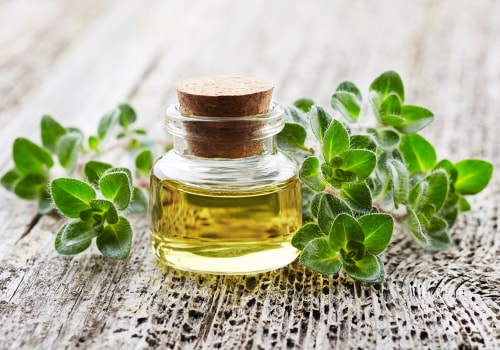
The Healing Power of Oregano Oil: Exploring Its Benefits as a Natural Antibiotic
Discover the healing power of oregano oil and its benefits as a natural antibiotic. Explore its uses for immunity, digestion, and skin health.

Oregano oil, derived from the leaves of the oregano plant, has been celebrated for centuries not only as a culinary herb but also for its remarkable healing properties. Historically, ancient civilizations such as the Greeks and Romans utilized oregano for its medicinal benefits, often employing it to treat various ailments ranging from respiratory issues to digestive disorders. Today, this potent oil is gaining traction as a natural antibiotic , offering a holistic alternative to conventional medications. The growing interest in natural remedies has led to a resurgence in the use of oregano oil, particularly among those seeking to enhance their health without relying solely on pharmaceuticals. With its rich composition of bioactive compounds, including carvacrol and thymol, oregano oil is recognized for its ability to combat harmful bacteria and fungi.
This makes it an appealing option for individuals looking to bolster their immune systems and promote overall wellness. As we delve deeper into the benefits of oregano oil , it becomes evident that its applications extend far beyond mere culinary uses. From alleviating symptoms of colds and flu to supporting gut health and skin conditions, oregano oil presents a versatile solution for various health concerns. Moreover, its antimicrobial properties have sparked interest in its potential role as a natural alternative to traditional antibiotics, especially in an era where antibiotic resistance is becoming increasingly prevalent. In this exploration of oregano oil's healing capabilities, we will uncover the science behind its effectiveness, practical applications, and how it can be integrated into daily health routines. By understanding the multifaceted benefits of this remarkable oil, we can appreciate its place in modern wellness practices and consider it as a valuable addition to our health arsenal.
What is Oregano Oil?
Oregano oil is derived from the leaves and flowers of the oregano plant, scientifically known as Origanum vulgare.This herb is native to the Mediterranean region, where it has been used for centuries not only as a culinary ingredient but also for its medicinal properties. The oil is extracted primarily through a process called steam distillation, which involves passing steam through the plant material. This method helps to preserve the delicate compounds found in oregano, ensuring that the oil retains its potent therapeutic qualities. The composition of oregano oil is what makes it particularly valuable in natural health. It contains a variety of bioactive compounds, with carvacrol and thymol being the most prominent.
These compounds are known for their strong antimicrobial properties, which can help combat various pathogens, including bacteria and fungi. In addition to carvacrol and thymol, oregano oil also contains other beneficial components such as:
- Rosmarinic acid : An antioxidant that may help reduce inflammation.
- Beta-caryophyllene : A compound that has been studied for its potential anti-inflammatory effects.
- Pinene : Known for its respiratory benefits and ability to enhance mental clarity.
- Limonene : Often associated with mood enhancement and stress relief.
Its rich composition of active compounds not only contributes to its effectiveness as a natural antibiotic but also supports overall wellness in various ways.
The Antimicrobial Properties of Oregano Oil
Oregano oil has garnered significant attention in recent years for its remarkable antimicrobial properties. This essential oil, derived from the leaves of the oregano plant, contains potent compounds such as carvacrol and thymol, which are primarily responsible for its ability to combat various pathogens. Scientific studies have demonstrated that oregano oil can effectively inhibit the growth of a wide range of bacteria, fungi, and viruses. One of the most compelling aspects of oregano oil is its efficacy against common bacterial strains that are often resistant to traditional antibiotics. For instance, research published in the Journal of Applied Microbiology found that oregano oil exhibited strong antibacterial activity against Escherichia coli and Staphylococcus aureus, two notorious pathogens associated with foodborne illnesses and skin infections, respectively.This positions oregano oil as a potential alternative or adjunct to conventional antibiotic treatments. When comparing oregano oil vs antibiotics, it is essential to consider not only the effectiveness but also the side effects associated with each treatment. While antibiotics can disrupt the balance of gut flora and lead to antibiotic resistance, oregano oil offers a more natural approach with fewer adverse effects. Its ability to target harmful bacteria while preserving beneficial microbes makes it an attractive option for those seeking holistic health solutions. So, how does oregano oil work? The antimicrobial action of oregano oil is primarily attributed to its ability to disrupt the cell membranes of bacteria. The compounds within oregano oil penetrate bacterial cells, leading to cell lysis and ultimately death.
Additionally, oregano oil has been shown to interfere with the metabolic processes of pathogens, further enhancing its effectiveness. Moreover, oregano oil's antifungal properties are noteworthy as well. Studies indicate that it can effectively combat fungal infections such as Candida albicans, a common yeast responsible for infections in humans. By inhibiting the growth of this fungus, oregano oil may serve as a valuable natural remedy for those suffering from yeast-related issues. In conclusion, the antimicrobial properties of oregano oil present a promising avenue for natural health enthusiasts and those looking for alternatives to traditional antibiotics. With ongoing research supporting its efficacy against various pathogens, oregano oil stands out as a powerful ally in the quest for better health.
Health Benefits of Oregano Oil
Oregano oil is not just a flavorful addition to your culinary repertoire; it also boasts a plethora of health benefits that have been recognized for centuries.This essential oil, derived from the leaves of the oregano plant, is rich in compounds such as carvacrol and thymol , which contribute to its medicinal properties. Below, we explore some of the most notable health benefits of oregano oil.
1.Antimicrobial Properties
One of the most significant benefits of oregano oil is its potent antimicrobial activity. Research has demonstrated that oregano oil can effectively combat various strains of bacteria, including Escherichia coli and Staphylococcus aureus. A study published in the Journal of Applied Microbiology found that carvacrol, a primary component of oregano oil, exhibited strong antibacterial effects, making it a promising natural alternative for treating infections.2.Support for Digestive Health
Oregano oil is also known for its ability to support digestive health.It can help alleviate symptoms associated with gastrointestinal disorders, such as bloating and indigestion. The oil's antifungal properties can combat harmful yeast overgrowth in the gut, particularly Candida albicans. A study in the Journal of Medicinal Food highlighted how oregano oil can help restore balance to gut flora, promoting overall digestive wellness.
3.Respiratory Relief
For those suffering from respiratory conditions, oregano oil may provide relief due to its anti-inflammatory and expectorant properties. It can help clear mucus from the airways and reduce inflammation in the respiratory tract.A study published in the International Journal of Essential Oil Therapeutics indicated that inhaling oregano oil vapor could significantly improve symptoms of respiratory infections.
4.Immune System Boost
The immune-boosting properties of oregano oil are another reason to consider incorporating it into your health regimen. Its high antioxidant content helps protect cells from oxidative stress and supports overall immune function. Regular use may enhance your body’s ability to fend off infections and illnesses.5.Skin Health Benefits
Oregano oil can also be beneficial for skin health. Its antifungal and antibacterial properties make it effective against skin infections and conditions like acne or athlete's foot.When diluted with a carrier oil, it can be applied topically to affected areas for relief. In conclusion, the diverse uses of oregano oil, ranging from treating infections to supporting digestive and respiratory health, make it a valuable addition to any natural health toolkit. However, it is essential to consult with a healthcare professional before starting any new treatment regimen, especially if you are currently taking medications or have underlying health conditions.
Oregano Oil for Digestive Health
Oregano oil is increasingly recognized for its potential benefits in promoting digestive health. This essential oil, derived from the leaves of the oregano plant, contains powerful compounds such as carvacrol and thymol, which are known for their antimicrobial and anti-inflammatory properties. These characteristics make oregano oil a valuable ally in addressing various digestive issues, including bloating, gas, and infections. One of the primary ways oregano oil supports gut health is by combating harmful bacteria and pathogens that can disrupt the digestive system.For instance, studies have shown that oregano oil can effectively inhibit the growth of bacteria like Escherichia coli and Salmonella, which are often responsible for foodborne illnesses. By reducing these harmful microorganisms, oregano oil helps maintain a balanced gut microbiome, essential for optimal digestion. In addition to its antibacterial properties, oregano oil can also alleviate symptoms of digestive discomfort. Many individuals experience bloating and gas due to poor digestion or the presence of excess gas in the intestines. Oregano oil may help reduce these symptoms by promoting better digestion and easing inflammation in the gut lining.
How to Use Oregano Oil for Digestion
To harness the benefits of oregano oil for digestive health, it is crucial to use it correctly.Here are some practical tips:
- Dosage: A common recommendation is to take 3 to 4 drops of oregano oil mixed with a carrier oil (such as olive or coconut oil) or diluted in a glass of water. This can be done two to three times daily, preferably before meals.
- Capsules: For those who prefer not to taste the oil, oregano oil capsules are available as a supplement. Follow the dosage instructions on the product label.
- Topical Application: If you experience localized digestive discomfort, consider mixing a few drops of oregano oil with a carrier oil and gently massaging it onto your abdomen.
Its natural antibacterial properties and ability to reduce inflammation make it a potent option for those seeking relief from common digestive issues.
Oregano Oil in Skin Care
Oregano oil is not only celebrated for its internal health benefits but also for its remarkable skin care properties. The oil, derived from the leaves of the oregano plant, contains potent compounds such as carvacrol and thymol , which are known for their antimicrobial and anti-inflammatory effects. These properties make oregano oil a valuable ally in addressing various skin conditions.Benefits of Oregano Oil for Skin
- Acne Treatment: Oregano oil's antibacterial properties can help combat the bacteria that contribute to acne breakouts. By applying diluted oregano oil to affected areas, you may reduce inflammation and promote clearer skin.
- Fungal Infections: The antifungal properties of oregano oil make it effective against conditions like athlete's foot and nail fungus.
Regular application can help eliminate fungal growth and soothe irritated skin.
- Wound Healing: Oregano oil can aid in the healing of minor cuts and scrapes due to its antiseptic qualities. It helps prevent infection while promoting faster recovery.
- Skin Irritations: For those suffering from conditions like eczema or psoriasis, oregano oil may provide relief from itching and redness, thanks to its anti-inflammatory effects.
How to Use Oregano Oil Topically
When using oregano oil for skin conditions, it is crucial to dilute it properly to avoid irritation. Here are some effective methods:
- Dilution: Mix 2-3 drops of oregano oil with a carrier oil such as coconut or jojoba oil. This dilution helps reduce the potency of the essential oil while retaining its beneficial properties.
- Spot Treatment: Apply the diluted mixture directly onto blemishes or affected areas using a cotton swab.
This targeted approach allows for concentrated treatment without overwhelming the skin.
- Massage: For broader areas affected by fungal infections or irritations, gently massage the diluted oregano oil into the skin. This method not only helps with absorption but also promotes circulation.
Safety Tips
While oregano oil is generally safe for topical use, it is essential to take precautions:
- Patch Test: Before applying oregano oil to larger areas, conduct a patch test on a small skin area to check for any allergic reactions or sensitivities.
- Avoid Sensitive Areas: Keep oregano oil away from sensitive areas such as the eyes and mucous membranes, as it can cause irritation.
- Consult a Professional: If you have existing skin conditions or are pregnant, consult with a healthcare provider before using oregano oil as part of your skincare routine.
How to Use Oregano Oil Safely
Using oregano oil can be a beneficial addition to your health regimen, but it is crucial to approach its use with caution. Here are some guidelines to ensure you use oregano oil safely and effectively.Recommended Dosage
The appropriate dosage of oregano oil can vary based on the form in which it is taken and the specific health issue being addressed.Generally, for adults, the following dosages are recommended:
- Oregano Oil Capsules: 1-2 capsules (containing 100-150 mg of oregano oil) taken 1-3 times daily.
- Liquid Oregano Oil: 3-4 drops mixed with a glass of water or milk, taken 2-3 times a day.
- Topical Application: Dilute 2-3 drops of oregano oil with a carrier oil (such as coconut or olive oil) before applying it to the skin.
Precautions to Consider
While oregano oil is generally safe for most people, there are several precautions to keep in mind:- Consult Your Healthcare Provider: Before starting any new supplement, including oregano oil, consult with your healthcare provider, especially if you are pregnant, nursing, or have existing health conditions.
- Avoid Overuse: Excessive consumption of oregano oil can lead to gastrointestinal upset, including nausea and diarrhea. Stick to recommended dosages.
- Allergic Reactions: Some individuals may experience allergic reactions. Conduct a patch test when using it topically by applying a small amount diluted with a carrier oil on your skin and waiting 24 hours for any adverse reactions.
- Drug Interactions: Oregano oil may interact with certain medications, such as blood thinners and diabetes medications. Always inform your doctor about any supplements you are taking.
Remember that while oregano oil offers numerous health benefits, it should complement—not replace—conventional medical treatments when necessary.
Potential Side Effects and Precautions
While oregano oil is celebrated for its numerous health benefits, it is crucial to be aware of potential side effects and precautions associated with its use. Understanding these factors can help individuals make informed decisions about incorporating this natural remedy into their health regimen.Possible Side Effects
- Gastrointestinal Issues: Some users may experience digestive discomfort, including nausea, vomiting, or diarrhea, particularly when taking oregano oil in high doses.
- Allergic Reactions: Although rare, allergic reactions can occur. Symptoms may include skin rashes, itching, or swelling. If any of these symptoms arise after using oregano oil, it is advisable to discontinue use and consult a healthcare professional.
- Skin Irritation: When applied topically, oregano oil can cause irritation or a burning sensation on sensitive skin.
It is recommended to dilute the oil with a carrier oil, such as coconut or olive oil, before applying it to the skin.
- Hormonal Effects: Oregano oil may have estrogenic properties, which could potentially affect hormone levels. Individuals with hormone-sensitive conditions should exercise caution and consult a healthcare provider before use.
Precautions with Oregano Oil
- Consultation with Healthcare Providers: Before starting any new supplement, including oregano oil, it is essential to consult with a healthcare professional, especially for those who are pregnant, nursing, or have underlying health conditions.
- Medication Interactions: Oregano oil may interact with certain medications, including blood thinners and medications that affect blood sugar levels. It is vital to discuss any potential interactions with a healthcare provider.
- Dosing Guidelines: Adhering to recommended dosages is important. For most adults, taking 3 to 4 drops of oregano oil diluted in a carrier oil or mixed with food is generally considered safe.
However, individual needs may vary.
Contraindications for Oregano Oil Use
- Pregnancy and Breastfeeding: Pregnant and breastfeeding women should avoid using oregano oil due to insufficient research on its safety during these periods.
- Surgery: Due to its potential effects on blood clotting, it is advisable to stop using oregano oil at least two weeks before any scheduled surgery.
Frequently Asked Questions about Oregano Oil
As the popularity of oregano oil continues to rise, many individuals have questions about its uses, benefits, and potential misconceptions. Below are some frequently asked questions that can help clarify these aspects.What are the primary benefits of oregano oil?
Oregano oil is renowned for its numerous health benefits, primarily due to its high concentration of active compounds like carvacrol and thymol. Some of the key benefits include:- Antimicrobial Properties: Oregano oil has been shown to combat various bacteria, fungi, and viruses, making it a natural alternative to traditional antibiotics.
- Anti-inflammatory Effects: It may help reduce inflammation in the body, which is beneficial for conditions like arthritis and other inflammatory diseases.
- Digestive Health: Oregano oil can support digestive health by promoting gut flora balance and alleviating symptoms of indigestion.
- Respiratory Support: Its expectorant properties can help clear mucus from the respiratory tract, making it useful for colds and respiratory infections.
Is oregano oil safe for everyone?
While oregano oil is generally safe for most people when used appropriately, there are certain precautions to consider:- Pregnant or Nursing Women: It is advisable for pregnant or nursing women to consult a healthcare provider before using oregano oil.
- Allergies: Individuals with allergies to plants in the Lamiaceae family (such as mint) should exercise caution.
- Medication Interactions: Oregano oil may interact with certain medications, so it’s essential to consult a healthcare professional if you are on prescription drugs.
Are there any myths about oregano oil?
Several myths surround the use of oregano oil that can lead to misunderstandings:- Myth 1: Oregano oil can replace antibiotics entirely.
This is false; while it has antimicrobial properties, it should not be seen as a complete substitute for prescribed antibiotics.
- Myth 2: All oregano oils are the same. The quality and concentration of active ingredients can vary significantly between products. Always choose high-quality, pure oregano oil.
- Myth 3: Oregano oil is only useful for cooking. This is misleading; while it enhances flavor, its medicinal properties make it valuable beyond culinary uses.
Conclusion: Embracing Oregano Oil as a Natural Remedy
In conclusion, the exploration of oregano oil benefits reveals a remarkable natural remedy that has the potential to serve as a powerful alternative to conventional antibiotics.With its rich composition of active compounds, particularly carvacrol, oregano oil demonstrates significant antibacterial, antifungal, and anti-inflammatory properties. These attributes not only highlight its effectiveness against various pathogens but also underscore its role in supporting overall health. Throughout this article, we have examined the multifaceted benefits of oregano oil, including its ability to combat common bacterial infections such as Pseudomonas aeruginosa and E. coli. Additionally, its efficacy against yeast infections like Candida positions it as a valuable ally in maintaining a balanced microbiome.
Furthermore, the oil's potential in alleviating respiratory disorders and digestive issues showcases its versatility as a holistic health solution. As we embrace the healing power of oregano oil, it is essential to approach its use with informed caution. While it offers promising benefits, it should complement rather than replace traditional medical treatments. Consulting with a healthcare professional before incorporating oregano oil into your regimen is crucial, especially for those on prescription medications or with underlying health conditions. Incorporating oregano oil into your daily routine can be as simple as adding a few drops to your meals or using it topically when diluted with a carrier oil. As you consider this potent natural remedy, remember that the journey to wellness is best approached holistically.
By integrating oregano oil alongside other healthy practices—such as a balanced diet, regular exercise, and stress management—you can enhance your overall well-being. Ultimately, the potential of oregano oil as a natural antibiotic is an exciting development in the realm of alternative health. As research continues to unfold, we may discover even more applications for this remarkable oil. Embrace the benefits of oregano oil and consider it a valuable addition to your health toolkit.